
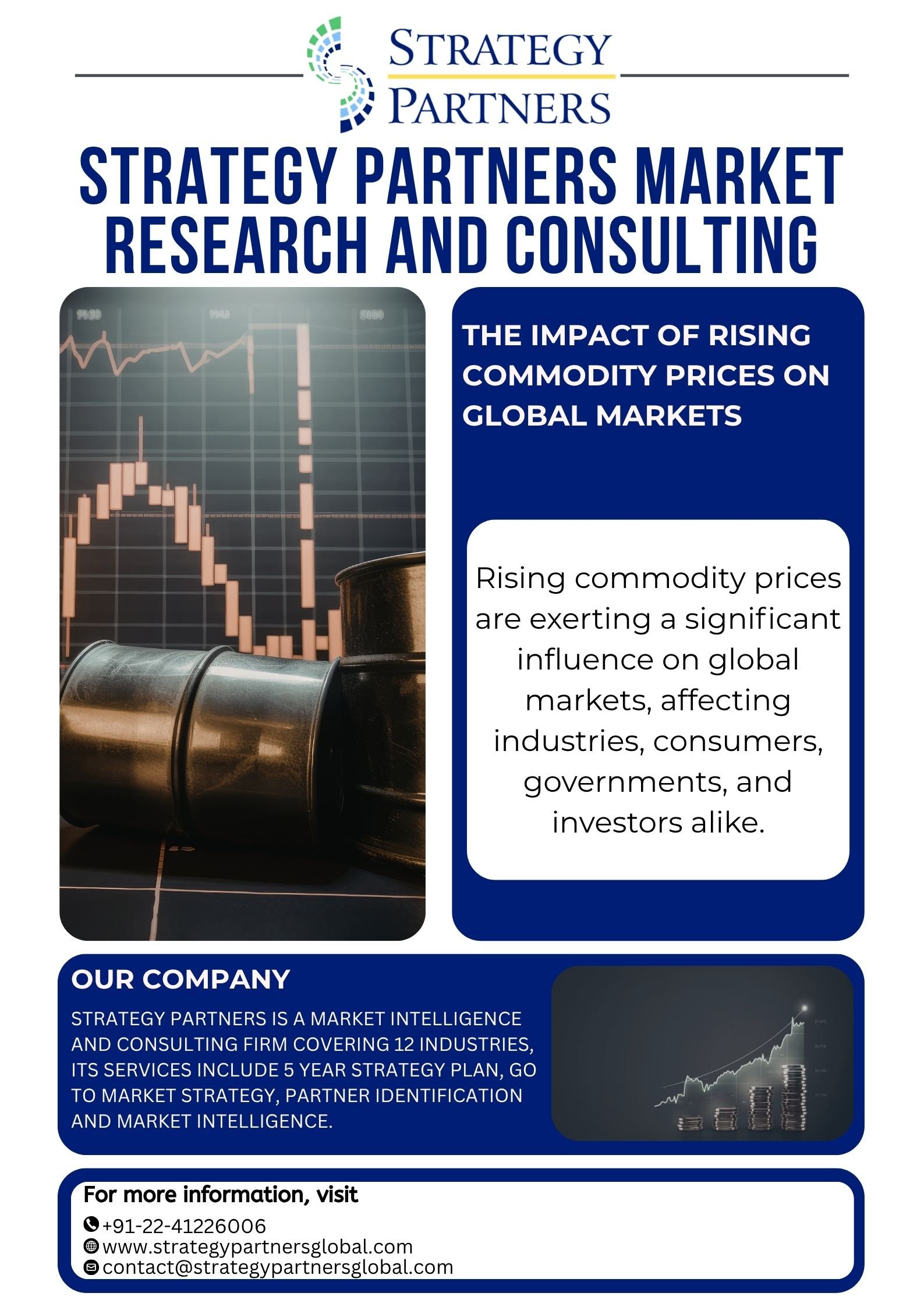
The Impact of Rising Commodity Prices on Global Markets
Introduction
Commodities form the absolute foundation of the global economy. Crude oil, natural gas, metals, and agricultural products support daily manufacturing, energy generation, and food production. Because modern economies are deeply interconnected, shifts in commodity prices quickly trigger far-reaching effects across global financial markets.
In recent years, commodity markets have faced massive volatility. Geopolitical conflicts, supply chain bottlenecks, and severe weather events have all disrupted supplies. These rising costs now heavily concern governments and businesses alike. They directly drive inflation, increase production costs, and alter international trade balances.
The impact of these rising prices reaches far beyond individual sectors:
-
Higher energy costs immediately raise transportation and manufacturing expenses.
-
Surging agricultural prices drive global food inflation.
-
Expensive industrial metals slow down infrastructure projects and automotive production.
Understanding these market shifts is essential for predicting future global economic trends.
Historical Impacts of Commodity Pricing
Historically, commodity price shocks have always reshaped global economic conditions. Throughout the twentieth century, wars and sudden demand surges repeatedly triggered sharp price increases.
The 1970s oil crises offer a perfect example. Sudden supply disruptions from major oil-producing nations caused energy prices to skyrocket. This surge triggered massive inflation across both developed and developing countries. As a result, transportation costs soared, and global economic growth slowed dramatically.
Agricultural markets have faced similar historic spikes. Severe droughts and poor harvests frequently caused sudden food shortages. These events led to high consumer prices and severe economic hardship for countries reliant on food imports.
More recently, the early 2000s saw rapid industrialization in China and India. This growth created an immense appetite for metals and energy resources. The resulting “commodity supercycle” drove prices to historic highs and sparked massive global investments in mining and infrastructure.
Present Market Realities
Today, rising commodity prices continue to stress global markets through several distinct economic channels. Energy remains the most critical factor. Expensive crude oil and electricity raise operational costs for almost every business.
Manufacturing industries are incredibly vulnerable right now. Rising prices for copper, aluminum, nickel, and steel increase production costs in the automotive, aerospace, and construction sectors. Companies must choose whether to absorb these losses or pass the costs onto consumers through higher retail prices.
Global food markets are facing similar pressure. Higher costs for wheat, corn, and fertilizers have driven food inflation up worldwide. This trend places a heavy financial burden on household budgets and strains government subsidy programs.
Financial markets are reacting quickly to this volatility. Investors are actively moving money into commodity-focused funds, mining firms, and energy producers to hedge against inflation. Meanwhile, sectors dependent on cheap raw materials face serious profitability challenges.
Central banks are keeping a close watch on these trends. Persistent commodity inflation forces policymakers to raise interest rates. While these rate hikes help control inflation, they also increase borrowing costs and can slow down overall economic growth.
Future Outlook and the Energy Transition
Evolving economic conditions, the green energy transition, and geopolitics will shape the future of commodity markets.
The global shift toward renewable energy is changing demand dynamics completely. Technologies like electric vehicles and battery storage systems require vast amounts of critical minerals. Demand for lithium, cobalt, nickel, and copper will continue to explode. If mining production fails to keep pace, prices will experience intense upward pressure.
Climate change will also introduce unpredictable market variables. Extreme weather and water scarcity threaten crop yields and resource extraction. These environmental factors will likely cause frequent supply disruptions and price spikes.
Consequently, geopolitical competition for strategic resources will intensify. Nations are already prioritizing domestic resource security. Many governments are actively investing in local mineral production to reduce their reliance on foreign suppliers.
Technological innovation may offer some relief. Advanced mining techniques, precision agriculture, and expanded recycling programs will likely improve supply efficiency over time. However, booming global demand will keep challenging commodity markets for years to come.
Core Market Drivers and Restraints
Market Drivers
Several key catalysts are keeping commodity prices elevated:
-
Urbanization: Rapid growth in emerging economies maintains high demand for energy and infrastructure.
-
The Green Transition: Electric vehicle adoption and renewable grid projects require massive amounts of industrial metals.
-
Supply Disruptions: Geopolitical conflicts and trade restrictions continue to limit resource availability and raise logistics costs.
Market Restraints
Conversely, several factors could cap future market growth:
-
Economic Slowdowns: Recessions naturally weaken industrial activity and reduce raw material consumption.
-
High Interest Rates: Expensive borrowing discourages companies from launching new construction and manufacturing projects.
-
Government Interventions: Price controls, export bans, and strict environmental regulations can restrict supply and create market uncertainty.
Key Challenges Ahead
The global commodity market faces three critical challenges moving forward.
First, balancing high resource demand with environmental sustainability is incredibly difficult. Excessive mining and drilling trigger strict regulatory pushback and public concern.
Second, price volatility sabotages long-term planning. Sudden market swings make it tough for manufacturers and investors to budget effectively. Businesses must constantly reinvent their procurement strategies to survive shifting costs.
Finally, upgrading global infrastructure requires massive capital. Developing the mines and supply lines needed for the green energy transition will take years of heavy investment and international cooperation.
Conclusion
Rising commodity prices wield immense influence over the modern global economy. They directly dictate inflation rates, corporate profits, and national economic growth.
While the green energy transition and emerging markets ensure high demand, volatility and supply security remain major risks. Forward-thinking businesses and policymakers are already shifting toward diverse supply chains and technological innovations to mitigate these threats. Moving forward, navigating these volatile resource markets will separate the economic winners from the losers.