Carbon Footprints: Understanding Their Impact and the Path to a Sustainable Future
Introduction
Climate change has become one of the most pressing global challenges, and reducing greenhouse gas emissions is essential for building a sustainable future. Among the many environmental concepts discussed today, the carbon footprint is one of the most important because it measures how human activities contribute to climate change. From the electricity used in homes to transportation, manufacturing, and food production, nearly every activity generates carbon emissions.
Understanding carbon footprints helps individuals, businesses, and governments identify opportunities to reduce emissions and adopt more sustainable practices. As industries transition toward cleaner technologies and consumers become increasingly environmentally conscious, managing carbon footprints has become a key priority in achieving global climate goals.
What Is a Carbon Footprint?
A carbon footprint is the total amount of greenhouse gases (GHGs) released into the atmosphere as a result of an individual’s, organization’s, product’s, or activity’s actions. These emissions are typically measured in carbon dioxide equivalent (CO₂e), a standard unit that accounts for the warming effects of different greenhouse gases, including carbon dioxide, methane, and nitrous oxide.
Carbon footprints can be calculated for various activities, such as driving a vehicle, manufacturing a product, operating a business, or even hosting an event. By measuring emissions, organizations and individuals can better understand their environmental impact and identify strategies to reduce it.
Sources of Carbon Footprints
Carbon emissions originate from numerous sectors of the economy and everyday life. Some of the primary sources include:
Energy Consumption
Electricity generation remains one of the largest contributors to carbon emissions, particularly when power is produced from fossil fuels such as coal, oil, and natural gas. Homes, offices, factories, and commercial buildings all contribute to emissions through energy consumption.
Transportation
Cars, trucks, buses, trains, ships, and aircraft burn fuel that releases carbon dioxide into the atmosphere. Transportation accounts for a significant share of global greenhouse gas emissions, making it a major focus for emission reduction efforts.
Industrial Manufacturing
Manufacturing industries produce emissions during the extraction of raw materials, production processes, and transportation of finished goods. Industries such as steel, cement, chemicals, and construction are among the largest industrial emitters.
Agriculture
Agricultural activities contribute to greenhouse gas emissions through livestock production, fertilizer use, rice cultivation, and land management practices. Methane emissions from livestock and nitrous oxide emissions from fertilizers significantly influence overall carbon footprints.
Waste Management
Landfills release methane as organic waste decomposes. Improper waste disposal and limited recycling also increase emissions associated with waste management systems.
Why Carbon Footprints Matter
Carbon footprints provide a measurable way to evaluate environmental impact. They help organizations and individuals understand where emissions originate and support informed decision-making regarding sustainability initiatives.
Reducing carbon footprints contributes to several important objectives:
- Slowing global climate change
- Improving air quality
- Conserving natural resources
- Enhancing energy efficiency
- Supporting long-term environmental sustainability
- Meeting national and international climate commitments
Many organizations also use carbon footprint assessments to improve operational efficiency, strengthen environmental reporting, and meet customer expectations for sustainable business practices.
How Carbon Footprints Are Measured
Carbon footprint calculations involve identifying emission sources and estimating the greenhouse gases released during specific activities. International standards and methodologies provide consistent frameworks for carbon accounting.
Measurements generally consider three categories of emissions:
Scope 1 Emissions
These are direct emissions generated from sources owned or controlled by an organization, such as company vehicles, manufacturing equipment, or onsite fuel combustion.
Scope 2 Emissions
These emissions result from purchased electricity, heating, cooling, or steam consumed by an organization.
Scope 3 Emissions
Scope 3 includes indirect emissions generated throughout the value chain, including purchased materials, transportation, employee travel, product use, and waste disposal. These emissions often represent the largest portion of an organization’s carbon footprint.
Advanced software platforms, environmental reporting tools, and lifecycle assessment (LCA) methodologies help organizations accurately quantify emissions across these categories.
Strategies to Reduce Carbon Footprints
Reducing carbon footprints requires coordinated action across multiple sectors. Businesses, governments, and individuals all play important roles in lowering greenhouse gas emissions.
Improve Energy Efficiency
Replacing outdated equipment with energy-efficient alternatives, improving building insulation, using LED lighting, and optimizing industrial processes can significantly reduce energy consumption and emissions.
Transition to Renewable Energy
Solar, wind, hydroelectric, and geothermal energy produce little or no direct greenhouse gas emissions during operation. Increasing renewable energy adoption reduces dependence on fossil fuels.
Sustainable Transportation
Encouraging public transportation, cycling, electric vehicles, carpooling, and fuel-efficient logistics helps lower transportation-related emissions.
Optimize Supply Chains
Organizations can reduce emissions by sourcing materials responsibly, minimizing transportation distances, improving logistics, and selecting environmentally responsible suppliers.
Waste Reduction
Reducing waste generation, increasing recycling rates, composting organic materials, and adopting circular economy principles help lower emissions associated with waste disposal.
Sustainable Product Design
Designing products with recyclable materials, longer service life, and reduced resource consumption minimizes emissions throughout the product lifecycle.
Carbon Footprints and Businesses
Businesses increasingly recognize carbon footprint management as both an environmental responsibility and a strategic business opportunity. Investors, regulators, customers, and supply chain partners increasingly expect organizations to demonstrate measurable progress toward sustainability goals.
Many companies now conduct regular greenhouse gas inventories, establish science-based emission reduction targets, and publish sustainability reports. Carbon footprint reduction initiatives can also improve operational efficiency, lower energy costs, strengthen brand reputation, and reduce regulatory risks.
Industries including manufacturing, transportation, construction, information technology, retail, agriculture, and energy are investing heavily in technologies that support low-carbon operations.
Technological Innovations Supporting Carbon Reduction
Emerging technologies are accelerating efforts to reduce carbon footprints across industries.
Artificial intelligence (AI) enables organizations to optimize energy usage, monitor emissions, and improve operational efficiency through predictive analytics.
The Internet of Things (IoT) connects sensors that continuously monitor energy consumption, equipment performance, and environmental conditions, allowing real-time optimization.
Carbon capture, utilization, and storage (CCUS) technologies are being developed to capture carbon dioxide emissions from industrial facilities before they enter the atmosphere.
Smart grids improve electricity distribution by integrating renewable energy sources while reducing transmission losses.
Electric mobility, battery storage systems, and hydrogen technologies are also contributing to cleaner transportation and industrial processes.
Challenges in Reducing Carbon Footprints
Despite growing awareness, reducing carbon footprints presents several challenges.
Many industries rely heavily on fossil fuels and require significant investments to transition toward cleaner technologies. Measuring emissions across complex global supply chains can also be difficult due to limited data availability.
Developing countries often face financial and infrastructure constraints that slow adoption of low-carbon technologies. In addition, balancing economic growth with environmental sustainability requires careful planning and long-term policy support.
Consumer behavior also plays a significant role. Encouraging widespread adoption of sustainable products, energy-efficient appliances, and environmentally friendly transportation requires education, incentives, and accessible alternatives.
Future Outlook
Carbon footprint management will become increasingly important as countries pursue ambitious climate targets and organizations strengthen environmental commitments. Governments are introducing stricter emission regulations, carbon pricing mechanisms, and incentives for renewable energy and energy-efficient technologies.
Businesses are expected to expand investments in clean energy, sustainable manufacturing, and digital solutions for emissions monitoring. Advances in AI, automation, carbon accounting software, and clean technologies will make emission reduction more effective and cost-efficient.
At the individual level, growing awareness and changing consumer preferences will continue to encourage more sustainable lifestyles, supporting broader efforts to reduce global greenhouse gas emissions.
Conclusion
Carbon footprints provide a practical way to measure and understand the environmental impact of human activities. Whether generated through energy consumption, transportation, industrial production, agriculture, or waste management, greenhouse gas emissions influence climate change and long-term environmental sustainability.
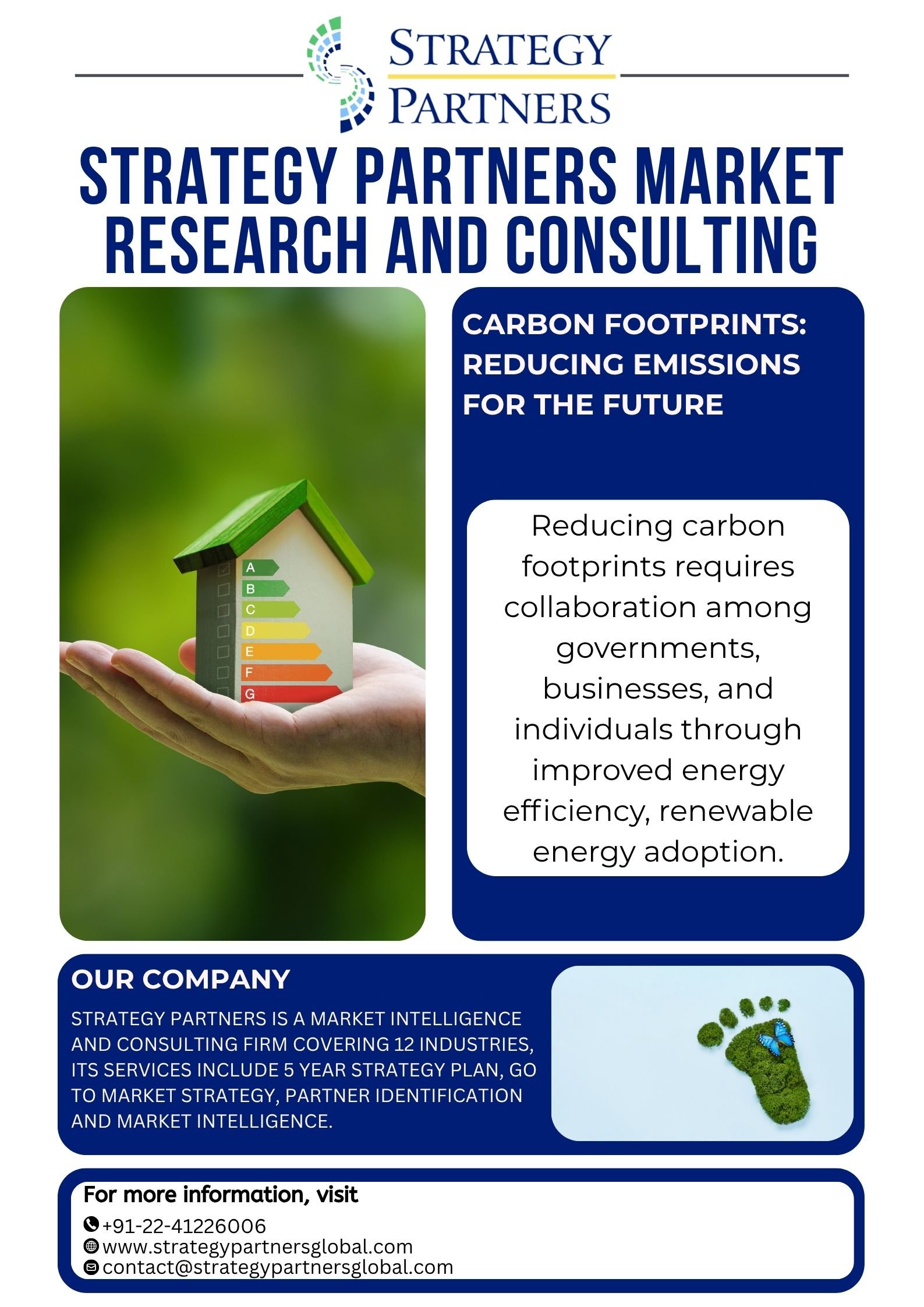
Reducing carbon footprints requires collaboration among governments, businesses, and individuals through improved energy efficiency, renewable energy adoption, sustainable transportation, responsible manufacturing, and innovative technologies. As global efforts to address climate change accelerate, understanding and managing carbon footprints will remain essential for creating a cleaner, more resilient, and sustainable future.