
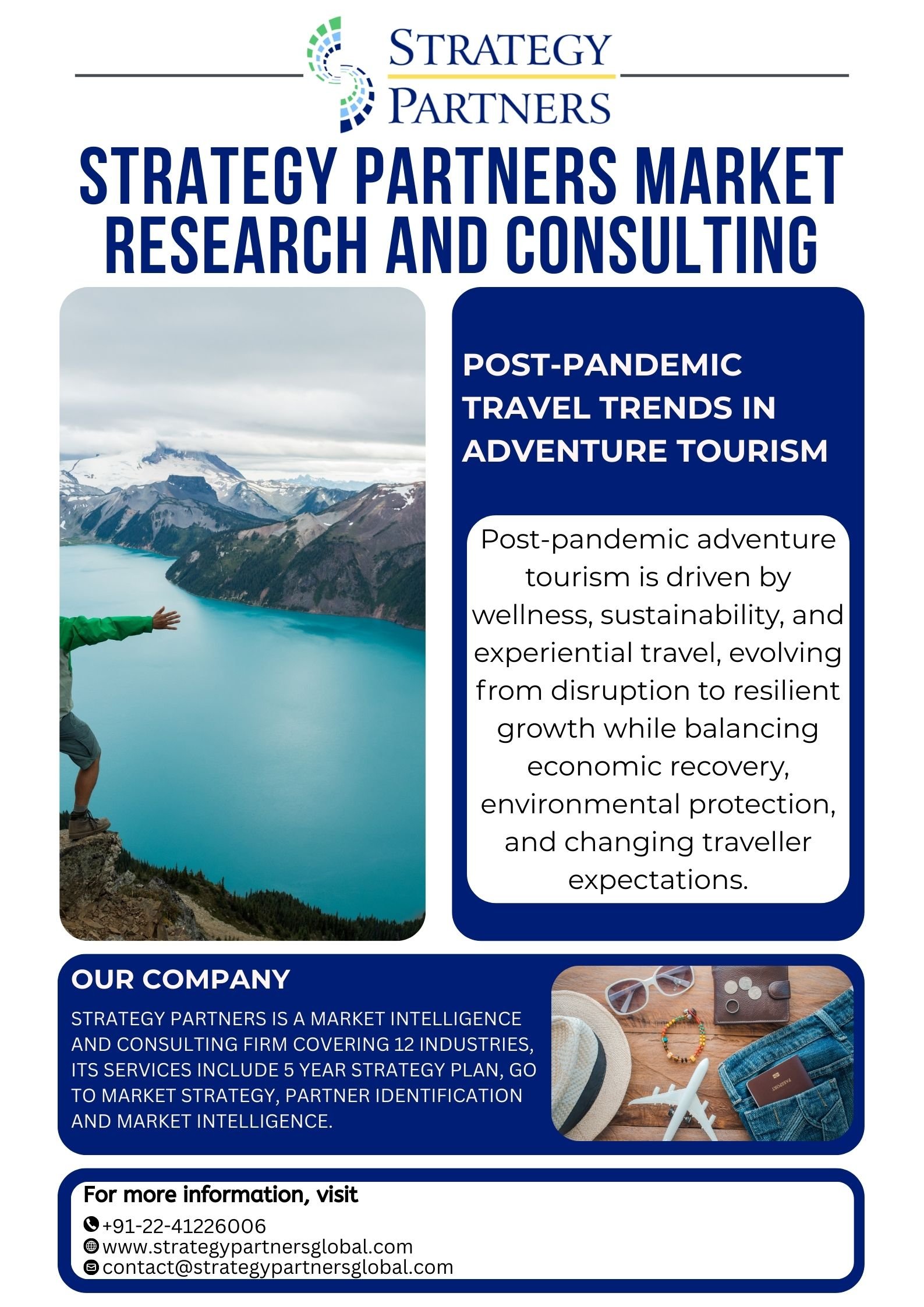
Post-Pandemic Adventure Tourism: The Great Outdoor Shift
Adventure tourism has evolved. It is no longer just about adrenaline; it is now driven by wellness, sustainability, and deep experiences. This sector has moved from total disruption to resilient growth. Today, it balances economic recovery with environmental protection and new traveler expectations.
The Recent Past: A Sector at a Standstill
When the pandemic hit, adventure tourism crashed. International borders closed, and travel confidence vanished. Operators faced constant cancellations and massive revenue losses. During this time, travelers avoided long-haul trips and stayed close to home.
Traditional models relied on large groups and seasonal flows. However, health protocols and capacity limits made these impossible. Operators focused on survival rather than growth. They prioritized cost control and kept their staff while waiting for the world to reopen.
The Present: The Rebound to Nature
Today, adventure tourism is booming. Travelers are releasing years of pent-up demand. They now prefer open spaces, natural landscapes, and physical activity over crowded cities.
Operators have adapted quickly. They now offer flexible booking, smaller groups, and private tours. Digital tools also help manage contactless bookings and itineraries. Furthermore, sustainability is now a top priority. Many travelers now choose local guides and eco-friendly stays to reduce their environmental footprint.
The Future: Intentional and Tech-Driven
In the future, adventure travel will become more intentional. People will take fewer, but longer, trips to maximize value. Technology will also play a massive role. Data will help operators manage visitor flows and protect fragile ecosystems.
We also expect to see more “hybrid” models. These combine adventure with remote work or wellness retreats. As travelers seek authenticity, lesser-known destinations will finally get their turn in the spotlight.
Key Market Drivers
Several factors are accelerating these trends:
Wellness Focus: People view outdoor activity as essential for mental health.
Work Flexibility: Remote work allows for longer, more frequent trips.
New Values: Travelers now prioritize meaningful experiences over material goods.
Better Access: Improved airline links make remote spots easier to reach.
Remaining Challenges
Despite the growth, hurdles remain. Inflation and rising costs put pressure on travel budgets. Furthermore, many regions face a shortage of trained guides and staff.
Environmental protection is also a major concern. If we don’t manage high visitation, we risk damaging the very nature travelers come to see. Finally, climate change poses a long-term threat to many adventure destinations.
Conclusion
Adventure tourism is reshaping the global travel industry. It has shifted from a niche hobby to a core pillar of the market. While economic and environmental challenges exist, the outlook is bright. Through responsible development and smart technology, adventure tourism will continue to deliver sustainable value to travelers and local communities alike.