The Future of Climate Insight: AI-Driven Modelling
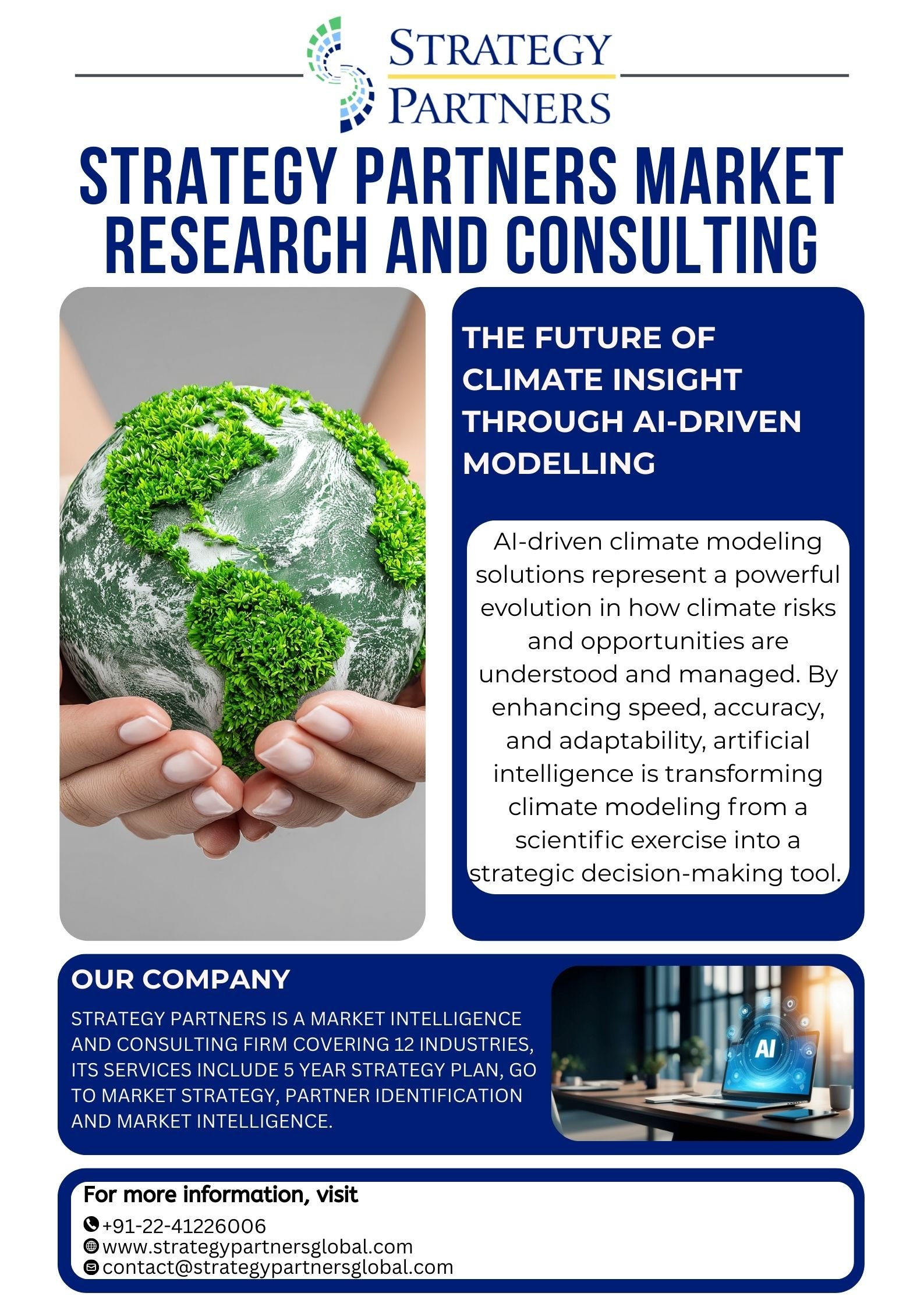
AI-Driven Modelling of climate is changing how we predict the future. By combining artificial intelligence with environmental data, we can now get faster and more accurate insights. This helps leaders make better decisions for the planet.
From Slow Simulations to Rapid Insights
In the past, climate models relied on slow, physics-based simulations. These methods required massive computers and took a long time to finish. Scientists used fixed equations and old data, which meant the models couldn’t adapt quickly to new information.
Consequently, these insights were often too general for businesses or local governments to use. Because the process was so rigid, climate modelling stayed tucked away in universities. It rarely influenced daily planning or immediate investment strategies.
How AI Transforms the Present
Today, artificial intelligence has supercharged our capabilities. Machine learning algorithms find patterns and anomalies that traditional models often miss. Specifically, these systems learn from new data in real-time, which constantly improves their accuracy.
Current AI solutions integrate several data sources:
-
Satellite Imagery: Tracks physical changes in real-time.
-
Weather Stations: Provides local temperature and wind data.
-
Ocean Observations: Monitors currents and heat levels.
-
Socio-economic Data: Predicts how climate changes affect people.
As a result, organizations can now assess local risks, like extreme weather or long-term trends, with incredible precision.
The Synergy with Green Tech
AI-driven modelling fits perfectly within the “Green Tech” world. Renewable energy systems and smart grids create a constant stream of data. AI uses this data to improve visibility into carbon emissions and energy use.
Moreover, these models help optimize where we build new green tech. For example, AI can predict which locations will have the most wind or sun over the next decade. By aligning AI intelligence with green investments, companies maximize their impact while lowering their risks.
Market Growth and Adoption
What is driving this rapid change? First, people are more aware of the financial risks of climate change. Second, new laws now require companies to report their environmental footprint.
Advancements in cloud computing have also lowered the cost of entry. Now, smaller organizations can access the same powerful tools that used to belong only to global powers. Investors also demand transparency, pushing more capital toward companies that prove they are “climate-resilient.”
Navigating the Challenges
Even with this progress, hurdles remain. High development costs can stop smaller firms from joining in. Additionally, data quality varies by region. If the data is poor, the AI model will be less reliable.
There is also a “transparency” problem. Sometimes, it is hard to explain exactly how an AI reached a conclusion. This makes some leaders hesitant to trust the results for high-stakes decisions. Finally, the world faces a shortage of experts who understand both climate science and AI coding.
The Path Forward
AI-driven climate models are more than just a scientific experiment; they are a strategic tool. While challenges like data gaps exist, the technology continues to improve. Organizations that use these tools will be better prepared for a changing world. Ultimately, these models allow us to see the future more clearly and act before it’s too late.