
The global automotive industry is moving rapidly toward cleaner and more sustainable transportation. Battery electric vehicles (BEVs) have become a major part of this transition, but another technology is gaining attention: hydrogen fuel cell vehicles (FCEVs). By converting hydrogen into electricity through an electrochemical process, these vehicles can deliver electric propulsion without producing conventional tailpipe pollutants.
Hydrogen fuel cell vehicles combine the driving characteristics of electric vehicles with a refueling process that can be completed in a relatively short time. This makes the technology particularly interesting for applications where long driving ranges, high vehicle utilization, and rapid refueling are important. Research also increasingly highlights opportunities for fuel cells in larger-capacity transportation applications, although cost and infrastructure remain significant barriers.
What Are Hydrogen Fuel Cell Vehicles?
Hydrogen fuel cell vehicles are electric vehicles that use hydrogen as their primary onboard energy carrier. Instead of relying entirely on a large rechargeable battery, an FCEV generates electricity onboard using a fuel cell stack.
Hydrogen is stored in high-pressure tanks and supplied to the fuel cell. Oxygen is taken from the surrounding air. Through an electrochemical reaction, the fuel cell generates electricity that powers an electric traction motor. A smaller battery can also store energy recovered through regenerative braking and provide additional power during acceleration.
The key difference between an FCEV and a conventional internal-combustion vehicle is that hydrogen is not burned to produce mechanical power. Instead, its chemical energy is converted directly into electricity. When pure hydrogen is used, the primary products at the vehicle’s point of operation are electricity, water, and heat.
How Hydrogen Fuel Cell Technology Works
The operation of a hydrogen fuel cell vehicle begins when hydrogen is stored in the vehicle’s fuel tanks. During refueling, hydrogen is transferred from a specialized station into these high-pressure tanks.
When the vehicle is running, hydrogen flows toward the anode of the fuel cell while oxygen from the air enters the cathode side. Inside a proton-exchange membrane fuel cell, the hydrogen molecules are separated into protons and electrons. The electrons travel through an external circuit, generating electrical power, while the protons pass through the membrane.
At the cathode, the protons and electrons combine with oxygen to produce water and heat. The electricity generated by this process powers the vehicle’s electric motor.
This process eliminates the need for conventional combustion and allows the vehicle to operate with very few moving parts compared with an internal-combustion powertrain.
Advantages of Hydrogen Fuel Cell Vehicles
One of the biggest advantages of hydrogen fuel cell vehicles is their zero tailpipe emissions. When hydrogen is used in a fuel cell, the vehicle does not produce conventional tailpipe pollutants such as those associated with gasoline and diesel combustion. Water and heat are the primary outputs at the point of use.
Another advantage is fast refueling. Unlike battery-electric vehicles that may require longer charging periods depending on the charger and battery, hydrogen vehicles can be refueled in a process designed to take only a few minutes. This characteristic can be valuable for commercial vehicles that need to remain operational for long periods.
Hydrogen can also support long-range mobility. Fuel cell systems can provide significant onboard energy without requiring an extremely large battery pack. This makes the technology particularly relevant to heavy-duty transportation, buses, long-distance fleets, and other high-utilization applications.
Fuel cells can also achieve high conversion efficiency because they generate electricity through an electrochemical reaction rather than combustion. The U.S. Department of Energy notes that fuel-cell systems can achieve efficiencies exceeding 60% under certain conditions.
Hydrogen Production and Environmental Impact
The environmental benefits of hydrogen fuel cell vehicles depend heavily on how hydrogen is produced. Hydrogen itself is an energy carrier rather than a primary energy source, meaning its overall environmental impact depends on the production pathway.
Hydrogen produced using renewable electricity through electrolysis can potentially provide a low-carbon energy pathway. In contrast, hydrogen produced from fossil fuels without effective carbon management can generate substantial greenhouse-gas emissions.
Therefore, expanding hydrogen mobility requires more than producing fuel cell vehicles. It also requires the development of cleaner hydrogen production, efficient storage and distribution systems, and a reliable refueling network.
This is one of the most important considerations when evaluating hydrogen as a long-term solution for sustainable transportation.
Challenges Facing Hydrogen Mobility
Despite its potential, hydrogen fuel cell vehicles face several challenges. Hydrogen cost, production infrastructure, storage, transportation, and refueling availability remain major obstacles to widespread commercialization. Recent research continues to identify limited hydrogen refueling networks and high hydrogen production costs as key barriers.
The infrastructure challenge is particularly important. Battery-electric vehicles can take advantage of electricity networks and charging points that can be installed at homes, workplaces, parking facilities, and public locations. Hydrogen requires dedicated production, transportation, storage, compression, and dispensing infrastructure.
Vehicle cost is another concern. Fuel cell stacks require specialized materials and manufacturing processes, while hydrogen storage systems must meet demanding safety and pressure requirements. Increasing production volumes and improving technology could help reduce costs over time.
The industry must also address hydrogen storage and distribution. Hydrogen has a low volumetric energy density under normal conditions, requiring compression or other storage approaches for practical transportation applications. These requirements add complexity to the overall hydrogen supply chain.
Hydrogen vs. Battery Electric Vehicles
Hydrogen fuel cell vehicles and battery electric vehicles both use electric motors, but their energy systems are fundamentally different. BEVs store electrical energy directly in batteries, whereas FCEVs carry hydrogen and generate electricity onboard through a fuel cell.
Battery vehicles are already benefiting from expanding charging infrastructure and falling battery technology costs. Hydrogen vehicles, meanwhile, offer potential advantages in fast refueling and long-duration operation.
This means the future of zero-emission mobility may not depend on one technology replacing another. Instead, different propulsion technologies could serve different transportation requirements. Battery-electric systems may remain highly suitable for many passenger cars and urban applications, while hydrogen fuel cells could become more attractive for heavy-duty and high-utilization transportation.
Future Outlook for Hydrogen Mobility
The future of hydrogen fuel cell vehicles will depend on progress across the entire hydrogen ecosystem. Improvements in fuel cell durability, catalyst technology, hydrogen storage, vehicle integration, and manufacturing could improve performance while lowering costs.
Infrastructure development will be equally important. A larger network of hydrogen production facilities and refueling stations could encourage vehicle adoption, while increased demand could support economies of scale.
Heavy-duty mobility represents an especially important opportunity. Trucks, buses, commercial fleets, trains, and potentially other high-energy transportation applications can benefit from technologies that combine long operating ranges with rapid refueling. Research has identified larger-capacity vehicles as one of the promising areas for hydrogen and fuel-cell deployment.
The integration of renewable energy with hydrogen production could further strengthen the technology’s sustainability potential. Green hydrogen produced through renewable-powered electrolysis could help reduce the carbon footprint associated with the fuel supply chain.
Conclusion
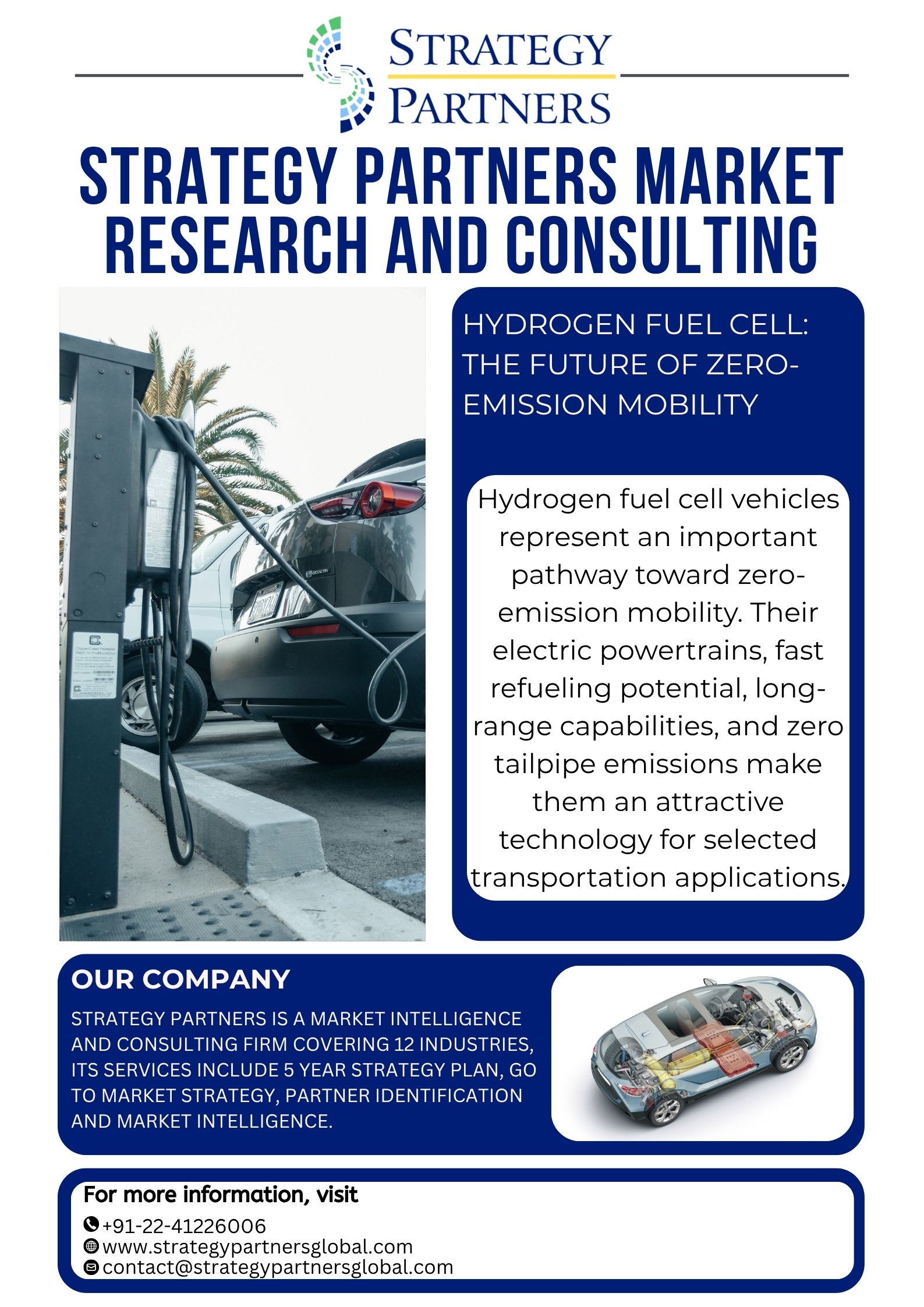
Hydrogen fuel cell vehicles represent an important pathway toward zero-emission mobility. Their electric powertrains, fast refueling potential, long-range capabilities, and zero tailpipe emissions make them an attractive technology for selected transportation applications.
However, hydrogen mobility is not without challenges. High costs, limited refueling infrastructure, hydrogen production emissions, storage requirements, and supply-chain complexity must be addressed before the technology can achieve widespread adoption.
The future is therefore likely to involve a combination of clean mobility technologies rather than a single universal solution. As battery-electric vehicles, hydrogen fuel cells, renewable energy, and intelligent transportation systems continue to develop, hydrogen could become an important component of the global transition toward cleaner and more efficient mobility.