Green Logistics is transforming the global transportation and supply chain industry by promoting environmentally responsible practices across logistics operations. As businesses face increasing pressure to reduce carbon emissions, improve resource efficiency and meet sustainability targets, organisations are adopting greener approaches to transportation, warehousing, packaging and distribution.
Traditional logistics activities rely heavily on fossil-fuel-powered vehicles, energy-intensive warehouses and extensive packaging materials, contributing to greenhouse gas emissions and environmental pollution. Green Logistics addresses these challenges through cleaner transportation technologies, renewable energy, efficient route planning, sustainable packaging and digital supply chain management.
The growing adoption of electric vehicles (EVs), Artificial Intelligence (AI), Internet of Things (IoT), automation and alternative fuels is accelerating the transition towards sustainable logistics. These developments are helping businesses reduce their environmental footprint while improving operational efficiency and long-term supply chain resilience.
Key Technologies Driving Green Logistics
Technology plays a significant role in making logistics operations more sustainable. Modern digital solutions enable organisations to monitor emissions, optimise transportation networks and improve resource utilisation.
1. Electric and Alternative-Fuel Vehicles
Electric trucks, delivery vans and other low-emission vehicles are becoming important components of sustainable transportation. Battery-electric vehicles reduce direct tailpipe emissions, particularly when powered by renewable electricity. Hydrogen fuel cells, biofuels and other alternative energy solutions are also being explored for heavy-duty transportation and long-distance freight operations.
2. Artificial Intelligence and Route Optimisation
AI-powered logistics platforms analyse traffic conditions, delivery schedules, vehicle capacity and transportation requirements to identify efficient routes. These systems help reduce unnecessary mileage, fuel consumption and delivery delays. Predictive analytics can also improve demand forecasting and fleet utilisation.
3. Internet of Things and Real-Time Monitoring
IoT-enabled sensors provide real-time information about vehicle location, fuel consumption, temperature, cargo conditions and operational performance. Logistics companies can use this information to identify inefficiencies, reduce energy consumption and improve transportation planning. Connected monitoring systems are particularly valuable for temperature-sensitive supply chains.
4. Renewable Energy in Warehousing
Warehouses and distribution centres consume substantial amounts of electricity for lighting, refrigeration, material handling and automated operations. Solar panels, energy-efficient lighting, smart building management systems and battery storage solutions can reduce dependence on conventional electricity sources.
5. Sustainable Packaging Technologies
Reusable containers, recyclable materials, biodegradable packaging and lightweight designs help minimise packaging waste. Smart packaging systems also enable businesses to optimise package dimensions, reduce transportation volume and improve vehicle-loading efficiency.
Importance of Sustainable Supply Chain Management
Green Logistics extends beyond transportation and focuses on improving environmental performance throughout the supply chain. Sustainable supply chain management integrates environmental considerations into procurement, manufacturing, warehousing, distribution and product returns.
One major advantage is the reduction of greenhouse gas emissions. By adopting cleaner vehicles, optimising delivery routes and improving warehouse energy efficiency, organisations can reduce their overall carbon footprint.
Another important benefit is improved resource utilisation. Efficient inventory management, better packaging practices and optimised transportation capacity help reduce material waste and unnecessary operational expenses.
Green Logistics can also strengthen business competitiveness. Customers, investors and business partners increasingly consider environmental performance when evaluating companies. Organisations with measurable sustainability strategies can improve their corporate reputation and strengthen relationships with environmentally conscious customers.
Additionally, sustainable supply chains can improve resilience by reducing dependence on conventional energy sources and encouraging diversified transportation and energy solutions.
Role of AI and Digitalisation in Green Logistics
Artificial Intelligence and digitalisation are becoming important enablers of sustainable logistics operations. AI-powered systems can analyse large volumes of supply chain data to identify opportunities for reducing fuel consumption, transportation costs and emissions.
Machine learning algorithms support demand forecasting, inventory optimisation and dynamic route planning. These capabilities help businesses avoid unnecessary transportation movements and improve delivery efficiency.
Digital twins are also emerging as valuable tools for sustainable logistics planning. By creating virtual representations of warehouses, transportation networks and supply chain operations, organisations can simulate different operational scenarios and identify opportunities to reduce energy consumption and resource wastage.
Furthermore, digital platforms can support carbon accounting by tracking emissions associated with transportation, storage and distribution activities. This enables businesses to monitor sustainability performance and identify areas requiring improvement.
Challenges in Implementing Green Logistics
Despite its benefits, the transition towards Green Logistics involves several challenges. One of the primary barriers is the high initial investment required for electric vehicle fleets, renewable energy infrastructure, warehouse automation and digital monitoring systems.
Limited charging infrastructure and battery-related constraints can also affect the large-scale deployment of electric heavy-duty vehicles, particularly across long-distance transportation networks.
Another challenge is the complexity of measuring supply chain emissions. Businesses often depend on multiple suppliers, transport operators and distribution partners, making it difficult to obtain consistent environmental data across operations.
The availability of sustainable packaging materials, alternative fuels and renewable electricity also varies across geographical markets. Smaller logistics providers may face additional financial and technical barriers when adopting advanced sustainability solutions.
Addressing these challenges requires collaboration between governments, logistics companies, technology providers, manufacturers and infrastructure developers.
Emerging Trends and Future Developments
The future of Green Logistics will increasingly depend on the integration of clean energy, intelligent transportation systems and automated supply chain technologies.
Electric commercial vehicles are expected to gain a larger role in urban and regional deliveries as battery technologies and charging infrastructure improve. Hydrogen-powered transportation and sustainable aviation fuels could also contribute to reducing emissions in applications where battery-electric solutions remain challenging.
Autonomous delivery vehicles, drones and robotic warehouse systems may further improve operational efficiency by optimising transportation and material-handling processes.
Another emerging development is the adoption of circular logistics, which focuses on product reuse, recycling, refurbishment and reverse logistics. This approach helps organisations minimise waste and extend product lifecycles.
Companies are also increasingly exploring low-carbon freight transportation through rail, inland waterways and multimodal logistics networks. Combining different transportation modes can help reduce reliance on road freight where suitable infrastructure and operating conditions are available.
In addition, environmental, social and governance (ESG) reporting is encouraging organisations to improve emissions transparency and establish measurable sustainability targets across their supply chains.
Conclusion
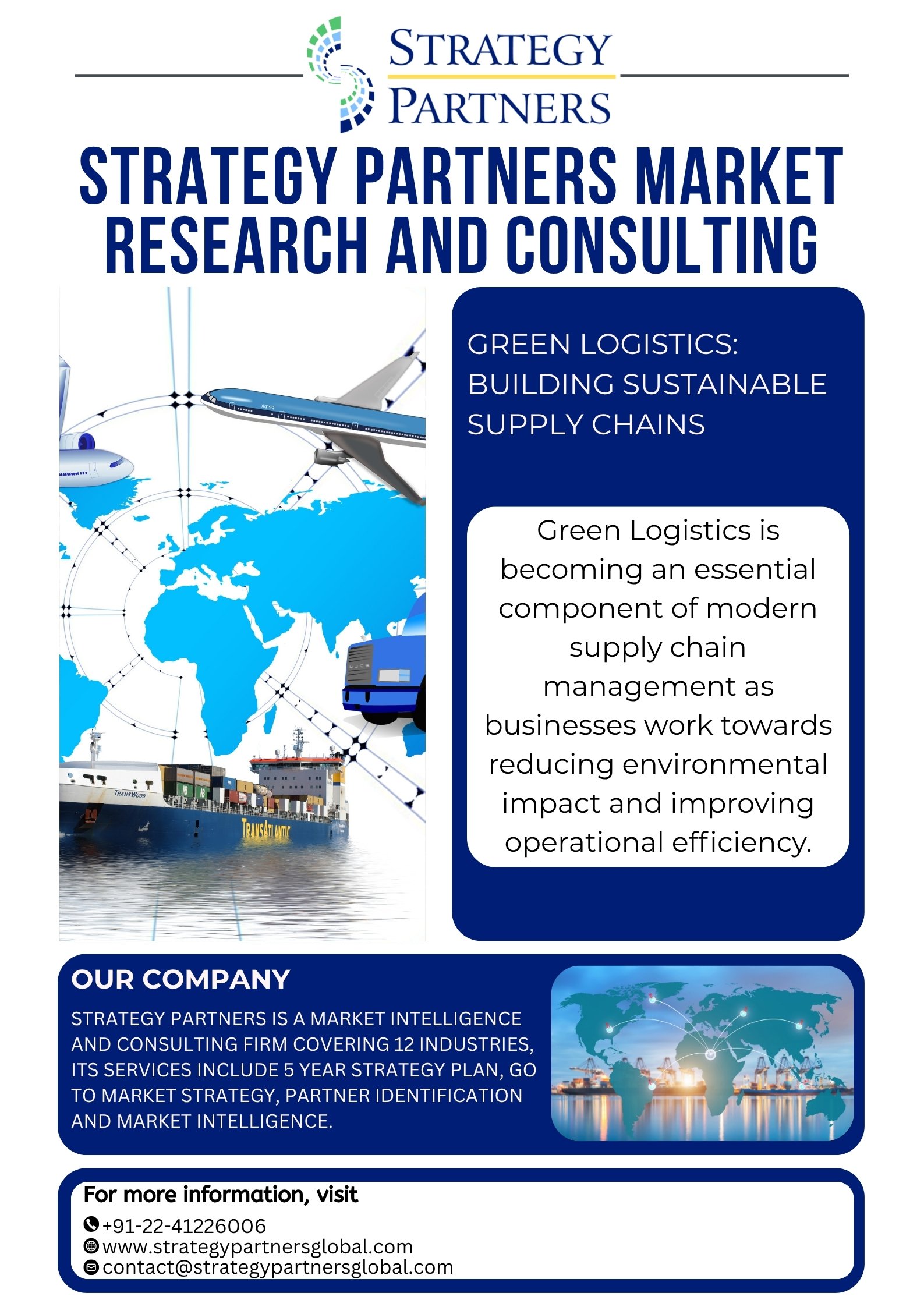
Green Logistics is becoming an essential component of modern supply chain management as businesses work towards reducing environmental impact and improving operational efficiency. The adoption of electric vehicles, renewable energy, AI-powered route optimisation, IoT monitoring and sustainable packaging is transforming traditional logistics operations.
Although investment requirements, infrastructure limitations and emissions measurement remain significant challenges, technological innovation and industry collaboration are accelerating the transition towards environmentally responsible supply chains.
As global trade and transportation networks continue to expand, organisations that integrate sustainability into their logistics strategies will be better positioned to improve resource efficiency, strengthen supply chain resilience and support long-term environmental objectives.