
Introduction
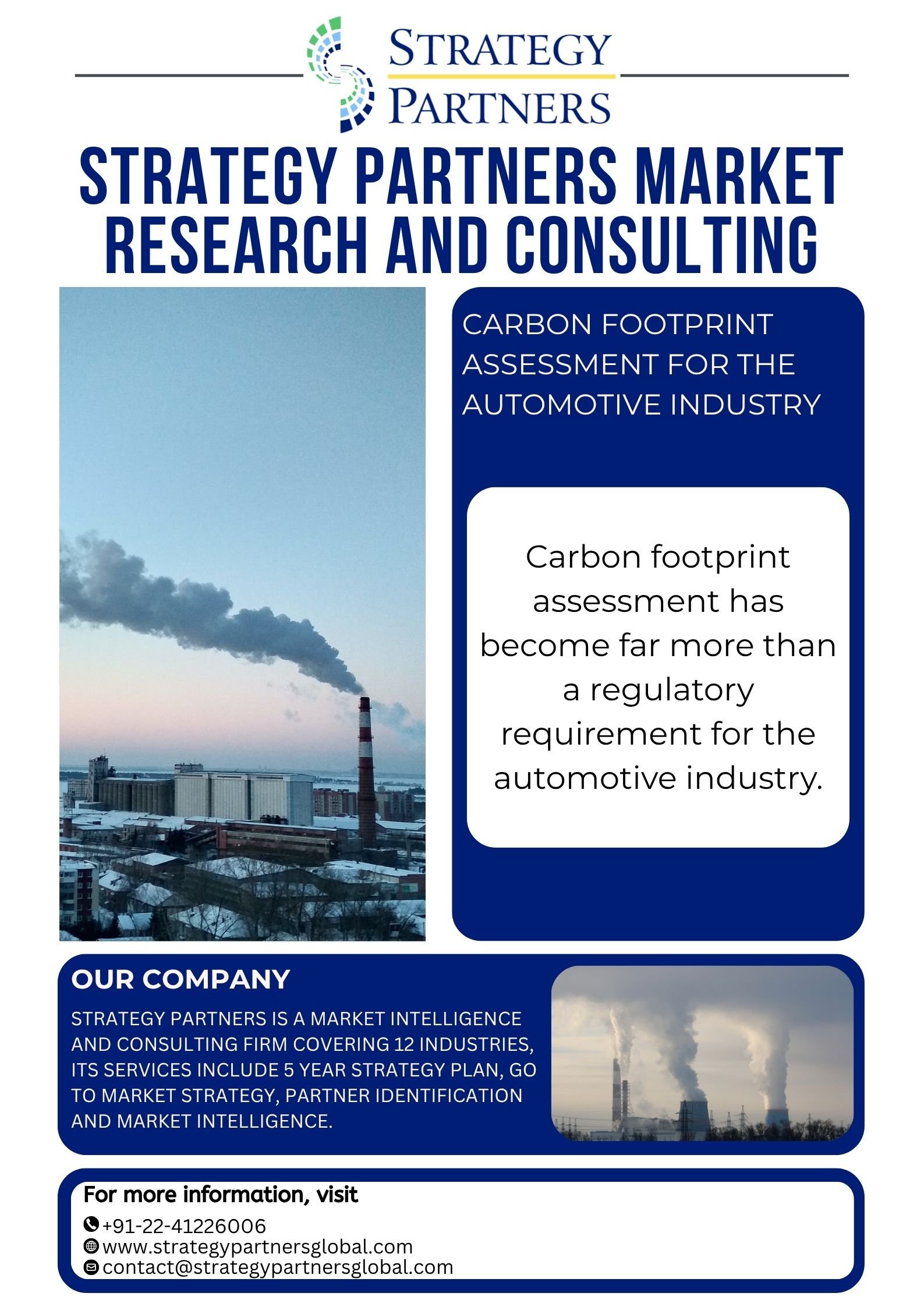
The automotive industry is changing quickly. Today, sustainability is as important as innovation, quality, and safety. Governments, investors, customers, and automotive original equipment manufacturers (OEMs) expect companies to reduce greenhouse gas (GHG) emissions. In addition, they want businesses to report environmental performance more clearly. As a result, carbon footprint assessment has become a key business practice. It helps manufacturers measure emissions, improve efficiency, and stay competitive in global markets.
Understanding Carbon Footprint Assessment
A carbon footprint assessment measures the greenhouse gas emissions produced by a business. It includes both direct and indirect emissions. The results are expressed in carbon dioxide equivalent (CO₂e). Therefore, companies can compare different greenhouse gases using one standard unit. In the automotive industry, the assessment covers raw material extraction, component production, vehicle assembly, transport, product use, and recycling. Consequently, manufacturers can identify major emission sources and plan effective improvements.
Why Carbon Footprint Assessment is Critical for the Automotive Industry
Automotive manufacturing relies on large global supply chains. Thousands of suppliers provide materials and parts for every vehicle. For example, steel, aluminum, plastics, electronics, and batteries all create carbon emissions. Many of these emissions occur before vehicle assembly begins. Therefore, manufacturers must measure emissions across the entire value chain. Carbon footprint assessments reveal emission hotspots and support better planning. Moreover, they improve supply chain transparency and strengthen customer confidence.
Scope 1, Scope 2, and Scope 3 Emissions in Automotive Manufacturing
Carbon emissions fall into three categories. First, Scope 1 includes emissions from company-owned facilities and equipment. Next, Scope 2 covers emissions from purchased electricity, heating, and cooling. Finally, Scope 3 includes emissions from suppliers, logistics, transportation, product use, maintenance, and recycling. For most automotive manufacturers, Scope 3 contributes the highest share of emissions. Therefore, supplier collaboration becomes essential for long-term carbon reduction.
Regulatory Compliance and Global Sustainability Expectations
Environmental regulations continue to grow across global markets. At the same time, many governments require more detailed emissions reporting. Global automotive OEMs also expect suppliers to provide verified carbon data. Furthermore, export-focused manufacturers must prepare for new carbon reporting rules. Carbon footprint assessments help companies meet these requirements. They also improve transparency and build trust with customers, investors, and regulators.
The Role of Data Collection and Carbon Accounting
Accurate data is the foundation of every carbon footprint assessment. Manufacturers collect information from fuel records, electricity bills, production systems, logistics activities, and supplier reports. Meanwhile, digital technologies make this process faster and more reliable. Smart meters, Industrial Internet of Things (IIoT) sensors, ERP platforms, and carbon accounting software improve data quality. As a result, companies can monitor emissions, identify inefficiencies, and track progress with confidence.
Reducing Carbon Emissions Across Manufacturing Operations
Once emissions are measured, manufacturers can take practical action. They can improve production equipment and increase energy efficiency. In addition, companies can optimize paint shops, compressed air systems, and production lines. Many organizations also invest in predictive maintenance to reduce waste. Furthermore, renewable electricity lowers Scope 2 emissions and reduces energy costs. Together, these improvements support both sustainability and business performance.
Sustainable Materials and Supply Chain Decarbonization
Material selection plays an important role in carbon reduction. Recycled steel and recycled aluminum reduce manufacturing emissions. Likewise, bio-based plastics and lightweight materials support cleaner production. Sustainable packaging also lowers environmental impact. Meanwhile, manufacturers continue working with suppliers to improve energy efficiency and reduce emissions. As these partnerships grow stronger, businesses move closer to their carbon reduction goals.
Product Lifecycle Assessment and Vehicle Sustainability
Carbon footprint assessment covers the entire vehicle lifecycle. Engineers evaluate emissions from product design to final recycling. This approach supports better design decisions and cleaner manufacturing. In addition, it helps companies choose more sustainable materials. Electric vehicles make lifecycle assessment even more important. Therefore, manufacturers focus on responsible battery sourcing, battery recycling, and circular economy practices.
Business Benefits of Carbon Footprint Assessment
Carbon footprint assessment delivers both environmental and business benefits. It improves energy efficiency and lowers operating costs. Moreover, better carbon management strengthens supplier relationships and supports regulatory compliance. Transparent reporting also improves brand reputation and increases investor confidence. As customer expectations continue to grow, manufacturers with strong sustainability programs gain a clear competitive advantage.
Future Trends in Automotive Carbon Management
Technology is changing carbon management across the automotive sector. Artificial intelligence, digital twins, predictive analytics, and blockchain improve emissions tracking. At the same time, automated reporting saves time and increases accuracy. These tools provide better visibility across complex supply chains. Consequently, manufacturers can respond faster to changing regulations and market demands.
Conclusion
Carbon footprint assessment is now a business necessity for automotive manufacturers. It helps companies understand emissions and improve operational efficiency. Moreover, it strengthens supply chain performance and supports regulatory compliance. Businesses that invest in carbon management today will build stronger operations for the future. Ultimately, they will improve competitiveness while contributing to a more sustainable automotive industry.