AI-Powered Personalization in Retail
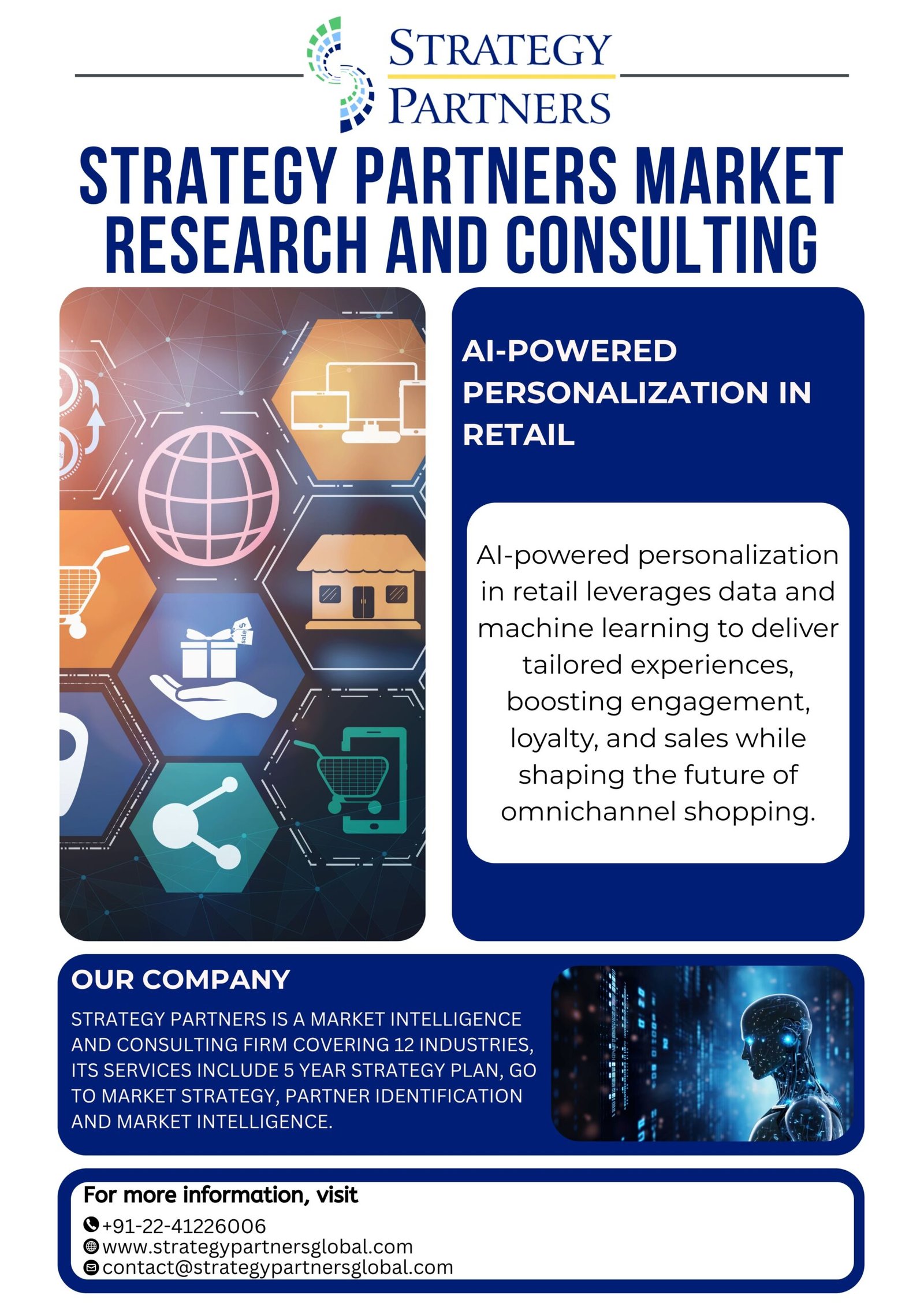
AI-Powered Personalization in Retail and machine learning to create tailored shopping experiences. This approach boosts engagement, builds loyalty, and drives sales. It also actively shapes the future of omnichannel retail.
Introduction
Artificial intelligence (AI) and data analytics are transforming the retail industry. These tools launch a new era of personalized customer experiences. Retailers use AI to understand preferences and predict future behaviors. They can then deliver custom product recommendations and targeted marketing messages.
This approach replaces old one-size-fits-all strategies. Instead, it creates highly individual interactions that boost engagement and revenue. Retailers analyze massive amounts of online and offline data. They review browsing history, purchase patterns, and social media activity. By connecting with consumers at the exact right time, AI personalization improves satisfaction and drives business growth.
The History of Retail Personalization
In the past, retail personalization relied on broad demographic groups. Retailers used traditional marketing like targeted mailers and in-store promotions. They addressed large groups rather than single individuals. These early strategies were mostly static and reactive.
Early technology introduced basic rule-based recommendations. Supermarkets analyzed purchase history to offer specific discount coupons. Online stores suggested “frequently bought together” items. However, these efforts relied on simple rules rather than real-time predictions.
Past personalization was manual and highly labor-intensive. It often missed the subtle details of individual preferences. These early steps laid the groundwork for modern systems. Yet, they lacked the power and scale of today’s AI technology.
How Retailers Use AI Today
Today, AI-powered personalization drives core retail strategies. Advancements in machine learning and predictive analytics make this possible. Modern retailers deliver real-time, highly customized experiences everywhere.
Online Innovations
E-commerce sites use AI for specific product recommendations and dynamic pricing. They base targeted marketing campaigns on individual browsing habits. Chatbots and virtual assistants offer real-time support. They answer questions and guide customers seamlessly through the buying journey.
In-Store Enhancements
Physical stores integrate AI into smart shelves and digital signs. Retailers track movements and purchase history to deliver timely offers. For example, in-store sensors detect actual shopper behavior. The system then adjusts promotions dynamically to boost sales.
Predictive Analytics
AI also powers modern predictive analytics. This technology helps retailers anticipate demand and manage inventory efficiently. They can recommend products before customers even search for them. Companies also analyze social media and online reviews. This tunes the shopping experience and increases customer satisfaction. Furthermore, modern loyalty programs use AI insights to offer tailored rewards.
The Future of AI in Retail
The future of retail AI will be more immersive and predictive. Emerging tools like augmented reality (AR) and virtual reality (VR) will lead the way. Retailers will soon offer virtual try-ons for clothes and furniture. Customers will visualize products perfectly before buying them.
Future AI models will anticipate needs much faster. They will analyze behavior, historical data, and even environmental factors. Voice-activated AI assistants will guide shoppers seamlessly across different platforms.
Retailers will blend physical and digital spaces into “phygital” strategies. Smart stores and connected devices will create proactive interactions. Furthermore, ethical AI will gain major importance. Consumers demand total control over their personal data. Retailers must adopt models that respect privacy while delivering high value.
Key Market Drivers
Several strong factors drive the rapid adoption of AI in retail:
-
Consumer Expectations: Modern shoppers demand convenient, relevant, and engaging experiences.
-
Data Availability: Smartphones and social media generate massive amounts of consumer data. AI analyzes this data for deep insights.
-
Competitive Pressure: E-commerce giants set high standards for customer service. Traditional stores must innovate to keep their market share.
-
Revenue Growth: Custom experiences lead to higher sales and better customer retention. Retailers can send relevant promotions that drastically reduce marketing waste.
-
Accessible Tech: Cloud computing makes AI solutions scalable and affordable. Now, stores of all sizes can use advanced personalization.
Current Industry Restraints
Despite its clear benefits, AI personalization faces several hurdles. Data privacy remains a significant concern for modern consumers. Strict rules like GDPR and CCPA force companies to limit certain tracking methods.
High costs also block wider adoption. Small businesses often struggle to afford the required infrastructure and technology. Furthermore, AI models are highly complex to manage. Retailers must handle diverse data sources carefully. Poor data quality quickly leads to bad recommendations and lost customer trust.
Operational and Strategic Challenges
Retailers face operational challenges when launching AI systems:
-
Privacy Balance: Companies must balance customization with user privacy. Too much tracking makes consumers deeply uncomfortable.
-
Channel Integration: AI must work seamlessly across websites, apps, and physical stores. Isolated data systems ruin the customer experience.
-
Talent Shortages: Retailers need skilled data scientists and AI engineers. Finding and keeping this specialized talent remains difficult.
-
Measuring ROI: Tracking the exact financial return on AI is tricky. The main benefits appear as long-term loyalty rather than immediate cash.
Conclusion
AI-powered tools are completely reshaping the retail industry. Companies have shifted away from generic, boring marketing. They now focus on individual, predictive experiences. Personalization currently stands at the very center of modern customer engagement.
Looking ahead, new technologies will create even better shopping environments. Tools like AR, VR, and conversational AI will soon dominate the market. Retailers must focus heavily on ethical AI and strong privacy rules. They need to build consumer trust while driving constant innovation.
Challenges like data privacy and high costs certainly exist. However, strong market drivers guarantee continued AI growth. Retailers who successfully embrace AI will build much stronger customer loyalty. They will secure their lasting position in a highly competitive market.