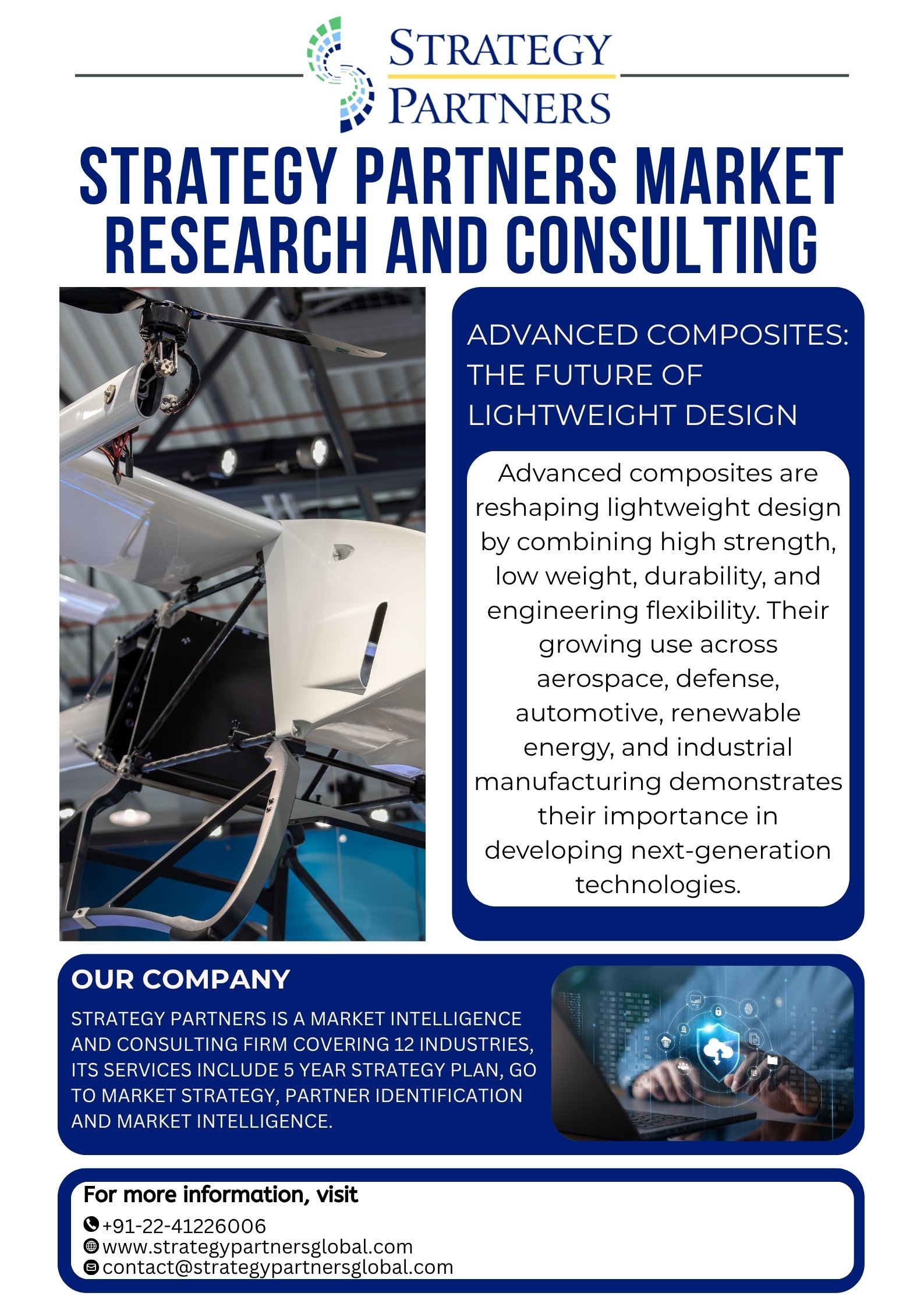
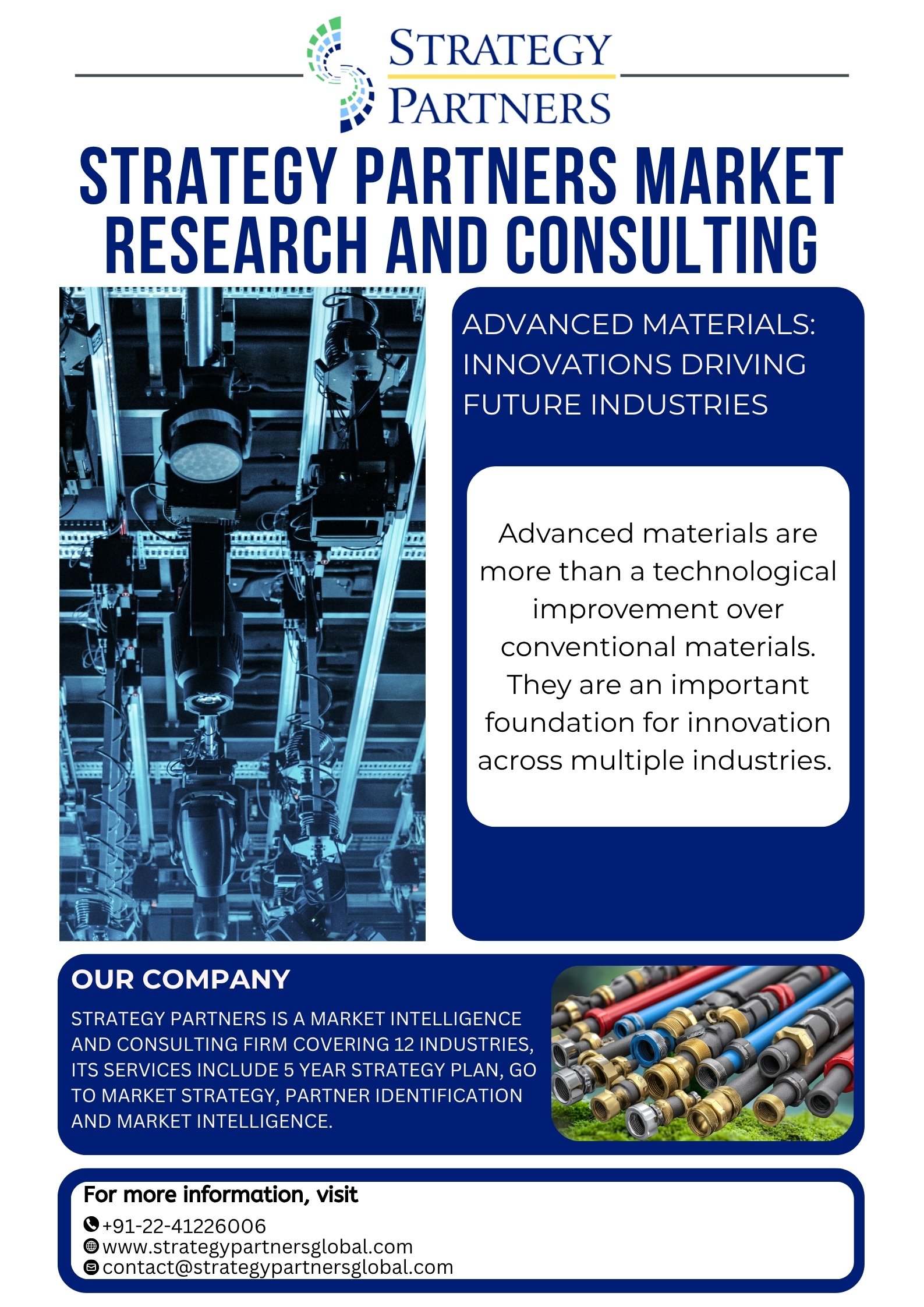
Advanced materials are transforming the way products are designed, manufactured, and used. From lightweight aerospace components to energy-efficient electronics and sustainable packaging, these materials are helping industries improve performance, reduce resource consumption, and develop new technologies.
Unlike conventional materials, advanced materials are engineered to deliver specific properties such as high strength, heat resistance, electrical conductivity, corrosion resistance, or flexibility. Their growing importance reflects the increasing demand for products that are lighter, stronger, more durable, and better suited to demanding operating conditions.
What Are Advanced Materials?
Advanced materials are materials developed or modified to provide enhanced properties compared with traditional alternatives. They include advanced metals, ceramics, polymers, composites, nanomaterials, and functional materials.
Carbon fiber-reinforced polymers, for example, combine low weight with high strength, making them valuable in aerospace and automotive applications. Ceramic materials can withstand extreme temperatures, while advanced polymers offer flexibility, chemical resistance, and specialized electrical properties.
The development of these materials often involves materials science, chemistry, engineering, and manufacturing technology. By controlling composition, structure, and processing methods, researchers can create materials with properties tailored to specific industrial requirements.
Key Applications Across Industries
Aerospace and defense are among the most important application areas for advanced materials. Aircraft manufacturers use lightweight composites and high-performance alloys to reduce structural weight while maintaining strength and durability. These materials can support fuel efficiency, payload capacity, and the performance of aircraft operating under demanding conditions.
In the automotive industry, advanced materials are being used in vehicle structures, batteries, thermal-management systems, and interior components. Lightweight materials can help reduce energy consumption, while specialized materials support the development of electric vehicles and other next-generation transportation technologies.
The electronics industry also depends on advanced materials for semiconductors, displays, sensors, and energy-storage devices. Materials with controlled electrical, thermal, and optical properties are essential for developing smaller, faster, and more efficient electronic products.
In construction and infrastructure, advanced materials can improve durability, insulation, and resistance to environmental conditions. High-performance concrete, advanced coatings, and engineered composites are examples of materials that can support longer service life and improved building performance.
Innovations Driving Industry Growth
Several technological developments are accelerating the adoption of advanced materials. Nanotechnology enables researchers to manipulate materials at extremely small scales, creating new properties and improving existing ones. Nanomaterials are being explored for applications in electronics, energy storage, coatings, and healthcare.
Additive manufacturing, commonly known as 3D printing, is another important development. It allows manufacturers to produce complex components and explore new material combinations that may be difficult to achieve using conventional manufacturing methods. This can support design flexibility, material efficiency, and customized production.
Smart materials are also gaining attention. These materials can respond to changes in temperature, pressure, light, or electrical conditions. Their potential applications include sensors, medical devices, adaptive structures, and advanced industrial systems.
Sustainability and Future Opportunities
Sustainability is becoming an increasingly important factor in advanced materials development. Industries are seeking materials that can reduce energy consumption, extend product lifecycles, and support more efficient manufacturing. Recyclable composites, bio-based polymers, and materials designed for improved resource efficiency are attracting growing interest.
Advanced materials can also contribute to the development of renewable energy technologies. Specialized materials are used in solar panels, batteries, fuel cells, and other energy systems. As demand for cleaner energy and energy storage increases, material innovation will remain an important part of the transition toward more sustainable technologies.
However, the adoption of advanced materials faces several challenges. High production costs, complex manufacturing processes, limited availability of certain raw materials, and difficulties in recycling some material combinations can affect commercial viability. Addressing these challenges will require continued research, improved manufacturing methods, and greater collaboration between material suppliers, manufacturers, and research institutions.
Future Outlook
The future of advanced materials is closely linked to the development of next-generation technologies. Aerospace, automotive, electronics, healthcare, energy, and construction industries are expected to continue exploring materials that offer improved performance and greater efficiency.
As research advances, materials may become more multifunctional, combining properties such as strength, conductivity, flexibility, and self-healing capabilities. The integration of advanced materials with digital manufacturing, artificial intelligence, and sustainable production methods could further expand their industrial applications.
Ultimately, advanced materials are more than a technological improvement over conventional materials. They are an important foundation for innovation across multiple industries. Their ability to address performance, efficiency, and sustainability requirements makes them a key area of research and investment for the future.