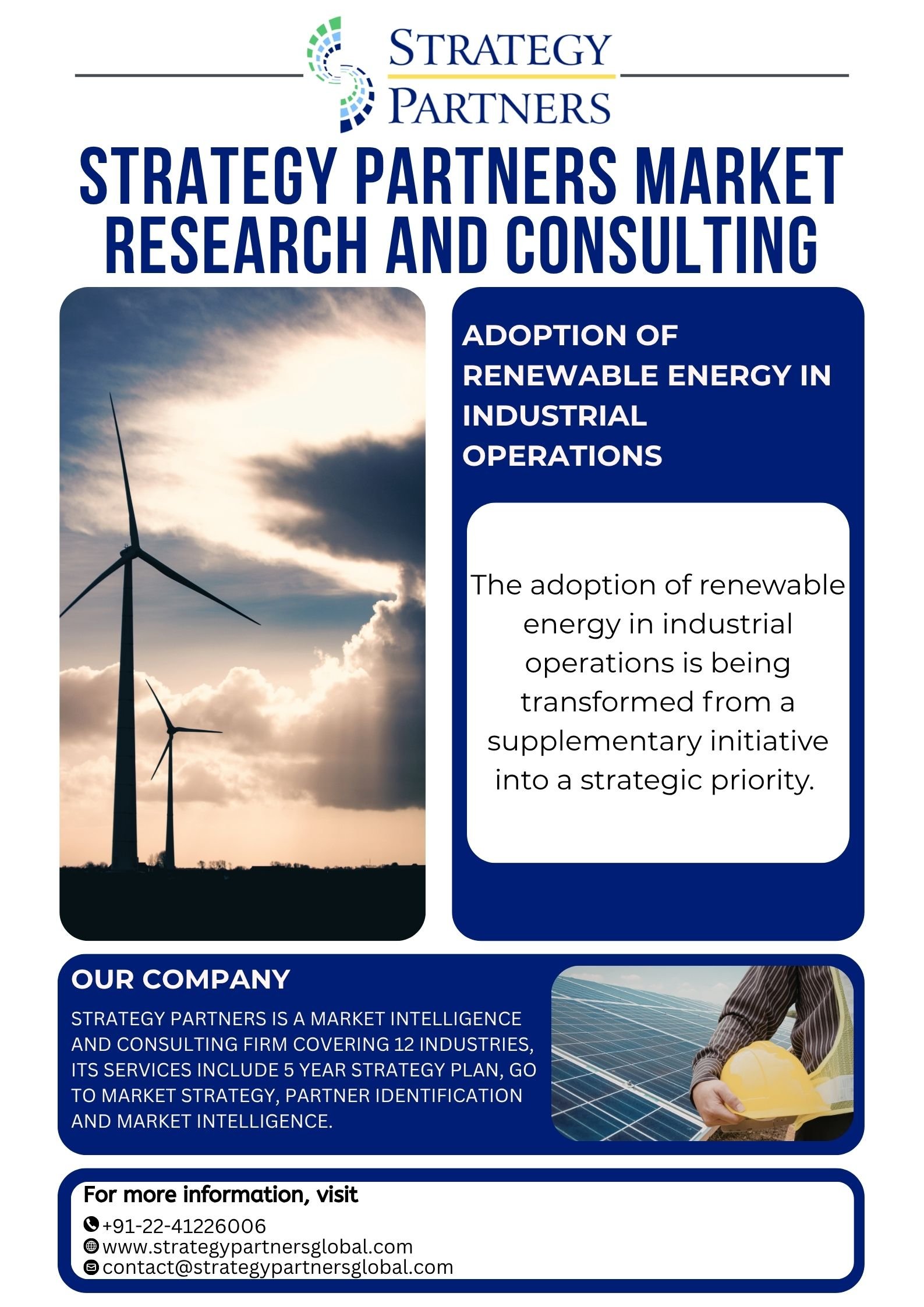
Adoption of Renewable Energy in Industrial Operations
Industrial operations increasingly use renewable energy. Sustainability goals, lower costs, and policy support drive this trend. However, infrastructure limits and integration challenges remain.
Introduction to Renewable Energy
Companies now recognize renewable energy as a strategic necessity. Environmental, economic, and regulatory factors drive this major shift. Traditionally, industries relied heavily on fossil fuels. These fuels powered manufacturing, supply chains, and daily operations. Today, new technologies and policies support a shift toward cleaner power. Industries now integrate solar, wind, hydro, and biomass energy. This upgrade reduces carbon emissions and boosts efficiency. Environmental concerns spark this transition, but companies also seek long-term cost savings. Ultimately, clean energy builds resilient, future-ready operations that meet global sustainability goals.
Historical Context of Adoption
In the past, industries rarely adopted renewable energy. Leaders often viewed it as too expensive. High upfront costs and technological limits restricted widespread use. Furthermore, poor regulatory frameworks offered little support. Companies mostly used renewable technology for niche applications or small pilot projects. Fossil fuels easily dominated the market. They offered established infrastructure, high reliability, and low costs. At the time, limited awareness about sustainability slowed clean energy adoption. Early adopters frequently faced operational inefficiencies and an inconsistent power supply. Consequently, leaders considered renewable energy a mere supplement rather than a primary power source.
Present Day Integration
Today, global markets show a massive shift toward renewable energy. Industries invest heavily in solar panels, wind farms, and biomass power. Companies actively pursue corporate sustainability goals and follow strict regulatory mandates. Technology improvements boost the efficiency and reliability of these modern systems. Furthermore, equipment costs have dropped significantly. Businesses leverage power purchase agreements (PPAs) and government incentives to buy green energy. Many facilities build on-site generation models. This strategy reduces their reliance on the traditional fossil fuel grid. Managers also use smart grids and digital systems to optimize power use. Now, renewable energy stands as a mainstream solution for modern industry.
The Future of Industrial Energy
Looking ahead, innovation and policy support will accelerate renewable energy adoption. Increasing environmental accountability will push companies to act fast. Advanced technologies, like hydrogen fuel and large-scale batteries, will solve intermittency issues. These tools will ensure a steady, reliable power supply. Engineers will redesign industrial processes to seamlessly handle renewable integration. This redesign will yield higher efficiency and lower emissions. Strict net-zero commitments will intensify the transition toward clean power. Also, sustainable manufacturing will create fresh opportunities for green supply chains. Governments, private businesses, and tech providers will collaborate to strengthen the ecosystem. Eventually, renewable energy will become the primary power source for global industry.
Key Market Drivers
Several factors drive the growing demand for industrial renewable energy. Strict environmental regulations force industries to transition toward cleaner sources. Fortunately, green technology costs have dropped, making them highly attractive. Meanwhile, volatile fossil fuel prices encourage businesses to find stable alternatives. Corporate sustainability pledges also heavily influence executive decisions. Governments introduce favorable policies and subsidies to promote green investments. Better technology, including smart grids, makes integration much easier. Finally, companies want strong energy security. They actively seek to reduce their dependence on imported fuels.
Major Market Restraints
Despite strong momentum, certain barriers limit widespread adoption. High upfront installation costs block many small and medium-sized businesses. Outdated infrastructure and complex grid integration slow down deployment. Furthermore, the intermittent nature of solar and wind power worries energy-intensive industries. They need a constant, unwavering supply of power. Regional policy inconsistencies also delay critical investment decisions. Finally, a severe shortage of skilled workers impacts system maintenance. Industry leaders must address these barriers to ensure sustained growth.
Operational Challenges
Several operational challenges complicate this transition. Upgrading existing industrial facilities requires massive investments. Managing power variability demands advanced energy storage, which remains expensive. Continuous manufacturing processes face severe risks from intermittent power drops. Furthermore, tight financing limits how quickly companies can build large-scale projects. Complex supply chains delay project timelines and increase overall costs. Finally, slow permitting processes and regulatory red tape delay implementation. Solving these problems requires technological innovation and strong stakeholder teamwork.
Conclusion
The industrial sector has transformed renewable energy from a side project into a top priority. In the past, high costs and weak technology limited adoption. Today, accelerated integration and widespread acceptance define the market. Future innovations and strong policies will cement green energy’s role in global industry. Market drivers push this transition forward, but real challenges still exist. Managers must tackle these hurdles head-on. With ongoing investment and teamwork, renewable energy will secure sustainable industrial growth for decades to come.