Rise of Experiential Retail and Immersive Shopping
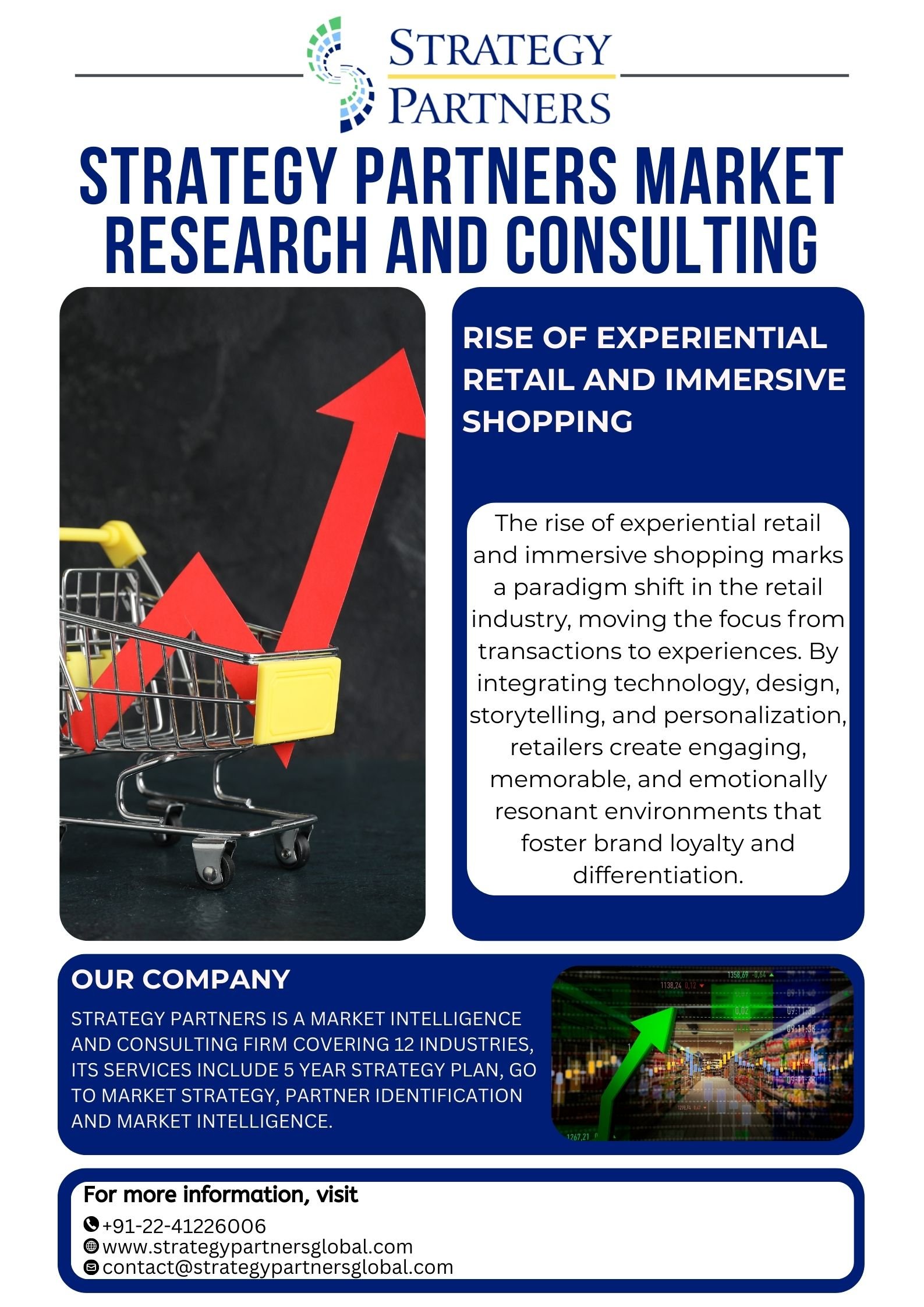
Experiential retail changes shopping from simple transactions into fun, interactive events. To achieve this, brands use technology, personalization, and storytelling to engage consumers. Ultimately, this builds loyalty and helps brands stand out in a crowded market.
Introduction
The retail world is changing rapidly. Indeed, stores no longer just sell products at a cash register. Instead, they focus heavily on experiential retail and immersive shopping. As a result, retailers now want to create fun, memorable moments for their guests. After all, consumers want more than just items; rather, they look for interactive, personalized, and sensory-rich spaces. Consequently, these environments build a strong emotional connection with the brand.
Furthermore, several factors drive this trend. First and foremost, consumer expectations are shifting, digital technologies are advancing, and e-commerce platforms create intense competition. Therefore, to compete effectively, physical stores mix technology, storytelling, design, and entertainment. For example, brands use flagship stores and pop-up events to rethink how consumers interact with their products.
The Past: Traditional Retail Models
Historically, retail focused strictly on product stock, low prices, and convenience. In fact, in-store experiences meant browsing shelves and asking for basic customer service. However, early experiential retail tried to stand out. For instance, department stores hosted product demonstrations and special events. Similarly, famous brands built flagship stores with beautiful, lavish displays.
Additionally, fashion and luxury brands used thematic store layouts. Specifically, they used specific designs to show off their brand identity. Nevertheless, these early stores offered static experiences. As a result, customers rarely interacted with the displays. Instead, retailers mostly relied on brand reputation and visual merchandising to impress shoppers.
The Present: Technology and Immersion
Today, immersive shopping sits at the center of modern retail strategy. Because e-commerce platforms constantly challenge physical stores, modern consumers now expect interactive, tech-driven experiences that engage all their senses.
How Stores Use Tech Today
Currently, stores use augmented reality (AR), virtual reality (VR), and artificial intelligence (AI). Together, these tools actively help customers discover and customize products. For example, furniture stores offer AR apps so customers can see how a couch looks in their living room. Meanwhile, fashion brands provide virtual try-ons and smart mirrors in the fitting rooms.
Beyond digital tools, physical retail also focuses deeply on community and lifestyle. For instance, pop-up shops and concept stores host workshops and live entertainment. In turn, this turns shopping into a highly social activity. Specifically, luxury brands, in particular, build art installations and curated spaces to connect with buyers emotionally.
The Omnichannel Approach
Furthermore, stores seamlessly link online and offline shopping. Through tools like mobile apps, QR codes, and social media, they connect the buyer directly to the product. Consequently, customers can easily access exclusive content and share their trips online. Ultimately, this creates personalized journeys that build lasting brand loyalty.
The Future: Phygital and Smart Spaces
Looking ahead, the future of retail will bring even more technology and personalization. Undoubtedly, advances in AR, VR, and mixed reality will completely change how we shop. Soon, stores will become experience hubs instead of just sales floors. In particular, they will offer interactive exhibits and curated lifestyle events.
Emerging “Phygital” Trends
Interestingly, the new “phygital” trend perfectly blends the physical and digital worlds. As a result, shoppers will explore and buy across multiple platforms. Moreover, AI will tailor the store experience to each person. Furthermore, smart devices will track customer behavior in real time and adapt the store environment instantly. Additionally, brands will also use games and multisensory displays to attract young, tech-savvy buyers.
Beyond technology, sustainability will shape the future. Therefore, brands will design spaces that actively teach buyers about ethical sourcing and responsible shopping.
Market Drivers Pushing the Trend
Currently, several major factors push this immersive trend forward:
-
Changing Consumer Behavior: Modern shoppers value experiences over buying physical things. Specifically, Millennials and Gen Z heavily prioritize unique events they can share online.
-
Better Technology: AR, VR, AI, and mobile apps let retailers create exciting, custom experiences that were previously impossible a decade ago.
-
Omnichannel Growth: Increasingly, consumers demand a smooth link between a brand’s website and its physical store.
-
E-commerce Competition: Above all, physical stores must offer unique experiences to survive against online giants.
Restraints and Limitations
Despite rapid growth, experiential retail faces several distinct hurdles:
-
High Costs: Primarily, small businesses struggle to afford advanced technology and highly immersive designs.
-
Customer Adoption: While young people love tech-heavy stores, older shoppers often prefer traditional formats. Thus, retailers must appeal to everyone.
-
Measuring Success: Furthermore, it is notoriously hard to measure the return on investment (ROI). Even though immersive events boost brand perception, direct sales are harder to track.
Operational Challenges
In addition to costs, retailers also face strategic challenges when upgrading their physical stores:
-
Brand Consistency: Companies must maintain high quality across all store locations. Otherwise, broken tech instantly ruins the customer experience.
-
Data Privacy: Because AI and mobile apps collect massive amounts of customer data, retailers must protect this data strictly to keep consumer trust.
-
Staff Training: Moreover, employees must know how to use new tech and guide shoppers smoothly. Consequently, finding and keeping skilled staff remains tough.
-
Constant Innovation: Finally, trends change rapidly. Therefore, retailers must spend money on research to stay relevant.
Conclusion
In conclusion, experiential retail marks a major shift in the industry. Indeed, the focus has decisively moved from simple sales to engaging experiences. To achieve this, retailers successfully use technology, design, and storytelling to build memorable environments.
While old models focused on prices, modern retail conversely values interactivity and social engagement. Furthermore, new tech like AR, VR, and AI drives this massive change. Despite high costs and operational hurdles, experiential retail keeps growing across all sectors. Ultimately, brands that mix innovation with emotional connection will win. In the end, they will drive foot traffic, boost sales, and create lifelong customers.