
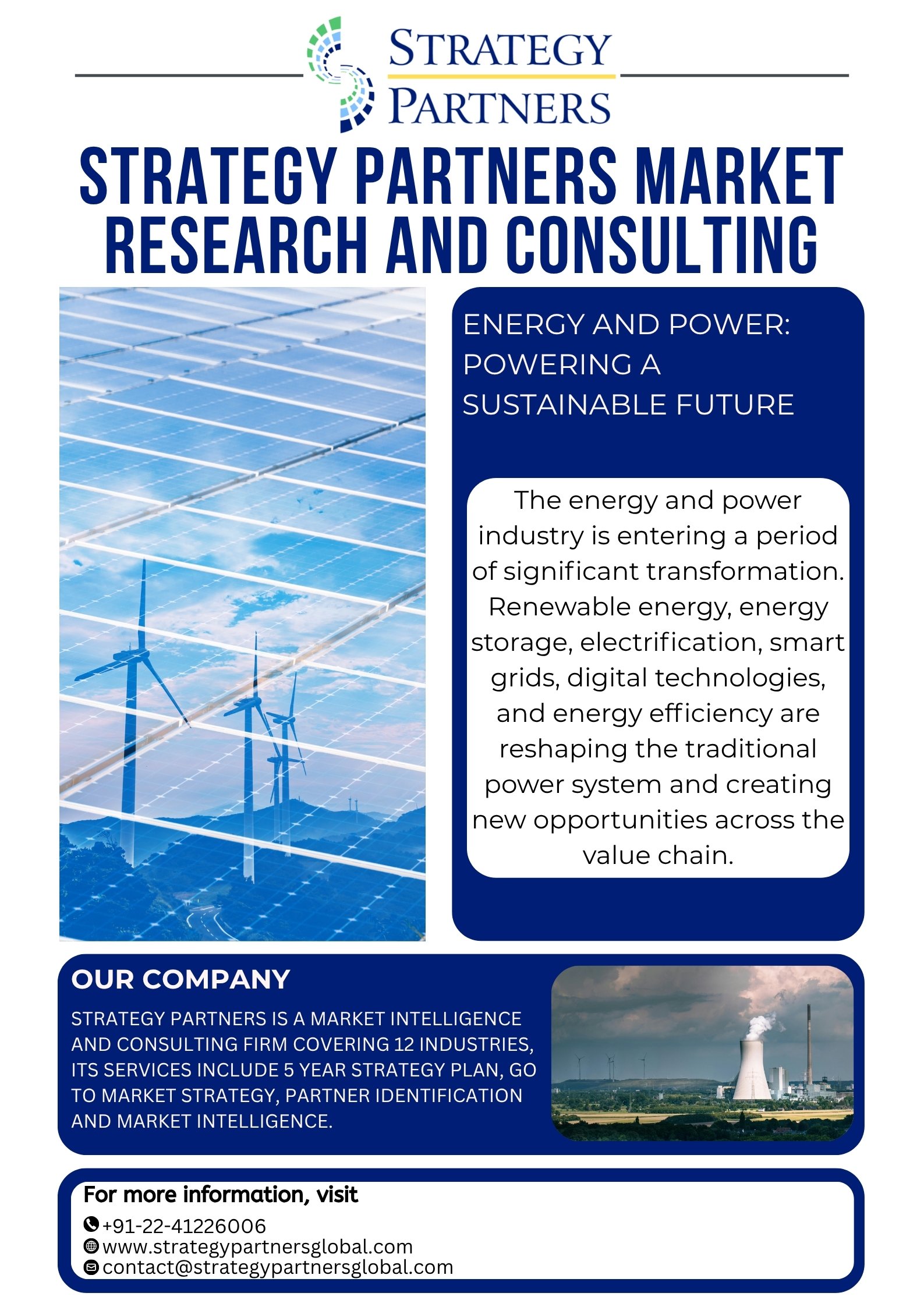
Energy and power support modern life. Homes, factories, offices, hospitals, and transport systems all need energy. Electricity also supports communication, technology, and economic growth.
However, energy demand continues to rise. At the same time, countries want to reduce carbon emissions. As a result, the energy and power industry is changing rapidly. Renewable energy, energy storage, smart grids, and digital tools now play a larger role.
The industry must meet two key goals. First, it must provide reliable power. Second, it must reduce environmental impact. This shift is creating new opportunities across the global energy sector.
Evolution of the Energy and Power Industry
The energy industry once depended mainly on coal, oil, and natural gas. Large power plants generated electricity for cities and industrial areas. Transmission networks then carried electricity over long distances.
Over time, the energy mix became more diverse. Natural gas, nuclear power, hydropower, solar energy, and wind power now support electricity generation.
In addition, power generation is moving closer to consumers. Rooftop solar systems and local energy projects are examples of distributed power generation. These systems can reduce pressure on large power networks.
Smart grid technology is also changing the industry. Modern grids use sensors, software, and automated controls. These tools help utilities monitor power demand and manage electricity more efficiently.
Renewable Energy Growth
Renewable energy is now a major part of the energy transition. Solar and wind power have gained strong attention worldwide. Both technologies can generate electricity without burning fossil fuels during operation.
Solar power is useful for both large and small projects. Utility-scale solar farms can supply electricity to large grids. Rooftop solar can help homes and businesses generate their own power.
Wind power also supports clean electricity generation. Onshore wind farms are common in many regions. Offshore wind projects are also gaining interest because they can access strong and steady winds.
Hydropower remains another important renewable energy source. Meanwhile, green hydrogen and advanced geothermal power could support future energy needs.
Energy Storage and Grid Modernization
Renewable energy can vary with weather conditions. Solar power depends on sunlight. Wind power depends on wind speed. Energy storage can help manage these changes.
Battery storage systems can store electricity during periods of high generation. They can then supply power when demand rises. This function can improve grid stability and support renewable energy integration.
Lithium-ion batteries currently serve many energy storage applications. However, companies and researchers are also developing new battery technologies. These include sodium-ion, flow, and solid-state batteries.
Grid modernization is equally important. Smart grids can track electricity flows in real time. They can also respond to changes in power supply and demand.
Therefore, modern grids can improve reliability. They can also support solar power, wind power, electric vehicles, and battery storage.
Electrification and Energy Efficiency
Electrification is another major energy trend. Electric vehicles are increasing electricity demand in many markets. They can also reduce the direct use of petrol and diesel in transportation.
Industries are also exploring electric technologies. Electric heating, motors, and industrial equipment can improve energy efficiency in suitable applications.
Buildings offer another major opportunity. Efficient lighting, air conditioning, insulation, and appliances can reduce energy use. Smart building systems can also help control electricity consumption.
Industries can improve efficiency through modern equipment. Variable-speed drives, efficient motors, and waste-heat recovery systems can lower energy consumption. Digital energy management tools can further improve performance.
Digital Technology in the Energy Sector
Digital technology is transforming energy and power operations. Artificial intelligence and machine learning can help companies analyze large amounts of data.
Power companies can use real-time data to monitor equipment. They can also forecast demand and improve power generation. These tools can help companies identify problems before major failures occur.
Predictive maintenance is another important application. It allows operators to monitor equipment health. They can then plan maintenance before equipment breaks down.
Digital tools also support renewable energy. Data systems can forecast solar and wind generation. Automated controls can then adjust storage and power distribution.
However, greater connectivity also creates cybersecurity risks. Power plants, substations, and smart meters now rely on digital systems. Therefore, energy companies must protect critical infrastructure from cyber threats.
Key Challenges for the Energy Industry
The energy transition creates several challenges. New power plants and transmission networks require major investment. Renewable energy projects may also require new grid connections.
Energy storage remains another challenge. Long-duration storage systems need better performance and lower costs. Battery manufacturers must also address safety, recycling, and raw material supply.
The industry also needs skilled workers. Modern energy systems require knowledge of renewable power, batteries, software, automation, and grid technology.
Governments and companies must therefore invest in training. A skilled workforce can help accelerate energy innovation and improve system reliability.
Future Outlook for Energy and Power
The future energy system will likely combine several technologies. Renewable energy will continue to expand. Energy storage will support grid stability. Smart grids will improve electricity management.
Electric vehicles will also become a larger part of the energy system. Vehicle charging networks will increase electricity demand. Smart charging can help manage this demand.
Artificial intelligence will support many energy applications. Companies can use AI for demand forecasting, equipment monitoring, and power management. Automation can also reduce operating costs and improve reliability.
Conventional energy sources will continue to play a role during the transition. Natural gas, nuclear power, and hydropower can support reliable electricity supplies in many markets.
Conclusion
The energy and power industry is entering a major period of change. Renewable energy, energy storage, electrification, and smart grids are reshaping the sector.
At the same time, digital technology is improving how companies generate and manage power. Energy efficiency is also helping businesses and consumers reduce energy use.
The future energy system will need to balance reliability, affordability, and sustainability. Companies that invest in clean technologies and modern infrastructure can benefit from this transition.
As a result, energy and power will remain important drivers of economic growth and technological innovation. The shift toward smarter and cleaner energy systems will continue to create opportunities across the global energy market.