Profit Meets Planet: The Critical Role of Environmental Sustainability in Manufacturing
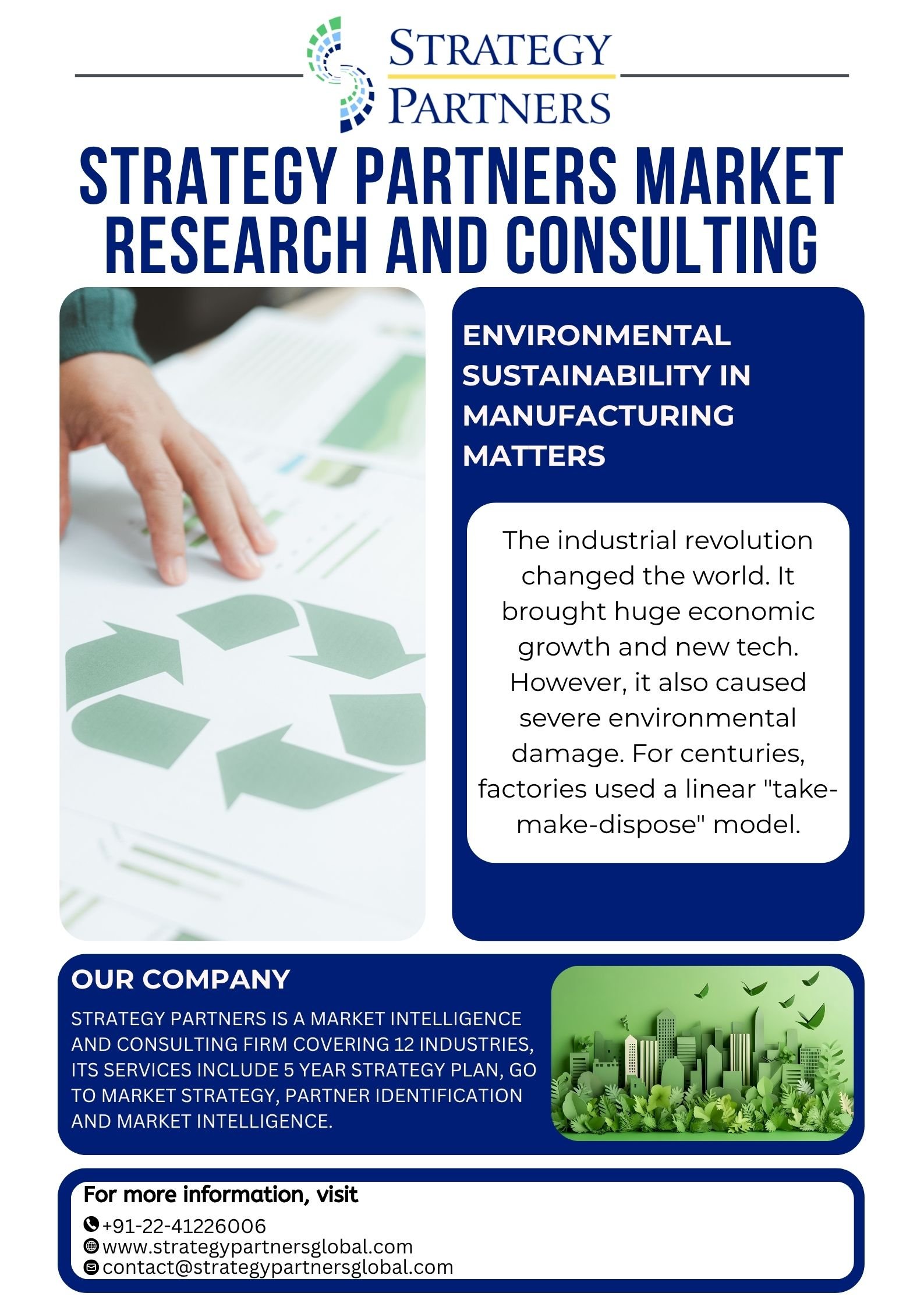
The Environmental Sustainability revolution changed the world. It brought huge economic growth and new tech. However, it also caused severe environmental damage. For centuries, factories used a linear “take-make-dispose” model. They treated natural resources as endless. Similarly, they treated the earth as a giant trash can.
Today, this mindset is changing fast. Green manufacturing is no longer just a buzzword. In fact, it is a vital business need. The global population is growing quickly. As a result, resources are getting harder to find. Furthermore, climate change is a real threat. Because of this, the manufacturing sector faces a major turning point. Going green is not just about saving the earth. Instead, it secures long-term profits and keeps the industry alive. Below, you will see why sustainability is the ultimate blueprint for the future.
The Environmental Reality Check
First, we must look at the impact of older methods to understand this shift. Historically, factories used huge amounts of energy and water. Consequently, they created massive greenhouse gas emissions and toxic waste. The environmental damage has been massive from start to finish.
Therefore, switching to sustainable methods means actively lowering this damage. Specifically, it requires saving energy and natural resources. In addition, it means keeping workers and communities safe. For example, companies must use renewable energy like solar and wind power. They must also cut carbon emissions and manage waste safely. By doing this, they prevent soil and water pollution. The global manufacturing industry is massive. Therefore, even small, local improvements in energy use can create a huge, positive global impact.
The Economic Advantage: Efficiency Equals Savings
Many people wrongly believe that green manufacturing is too expensive. They think it will ruin their profit margins. In reality, the exact opposite is true. Sustainability is all about efficiency. Consequently, efficiency creates major cost savings.
First, factories can lower monthly bills by using less energy and water. Next, they can use closed-loop systems to recycle water and trap waste heat. As a result, they turn old problems into helpful resources. Furthermore, reducing waste means buying fewer raw materials. Companies can find flaws and reduce scrap using smart data. Admittedly, buying energy-efficient machines costs money upfront. However, these investments quickly pay for themselves over time. They do this by lowering daily running costs. Today, energy prices jump around a lot. Therefore, using resources wisely gives you a strong edge over rivals.
Regulatory Compliance and Risk Mitigation
The global rules are changing fast. Currently, governments are making much stricter environmental laws. They are also adding carbon taxes to stop industrial pollution.
Therefore, companies that ignore these rules face huge risks. Breaking the law can lead to massive fines. Worse yet, it can shut down factories and ruin brand names. By contrast, proactive companies can stay ahead of the law. This smart approach stops sudden, surprise costs. Moreover, it keeps production running smoothly. Additionally, supply chains are now global. Factories must often meet the strict rules of the countries they sell to. Ultimately, sustainability acts as a shield against changing laws. It provides a safe base for global growth.
Meeting the Demands of Consumers and Investors
Nowadays, buyers care about the earth more than ever. They actively seek out products that match their values. In fact, many will pay extra for green, ethical goods. Consequently, a factory’s green record directly affects its public image. Brands with strong green programs enjoy intense customer loyalty. Conversely, brands linked to pollution face public boycotts and lost sales.
Furthermore, this demand goes beyond regular shoppers. Major stores and partners also set strict green goals. Therefore, they demand their suppliers meet these rules to keep their deals. Similarly, investors are watching very closely. Green actions heavily sway big money decisions. As a result, clear and strong green efforts attract more funding. They also secure better loans and boost company value.
Driving Innovation Through the Circular Economy
Going green forces companies to think in new ways. Indeed, it sparks major tech and working upgrades. The shift to a “circular economy” changes how business works. In this model, products are made to last, be reused, and be recycled.
Instead of sending trash to the dump, the goal is to keep using items. Therefore, this needs clever product design. For example, companies can use recycled materials. They can also design goods that are easy to take apart. Meanwhile, factories are also using new tech on the floor. Specifically, they use smart computers to track energy use. They also fix machines before they break. Consequently, this stops massive resource waste.
Conclusion
In summary, green manufacturing is not a passing fad. Rather, it is the new normal. It marks a huge shift in business. Now, making money and saving the earth work together. By focusing on these goals, factories protect the planet. Simultaneously, they boost efficiency and lower risks. Ultimately, the question is no longer if companies can afford to go green. Instead, it is whether they can afford not to.