Introduction to Resilience and Risk Management
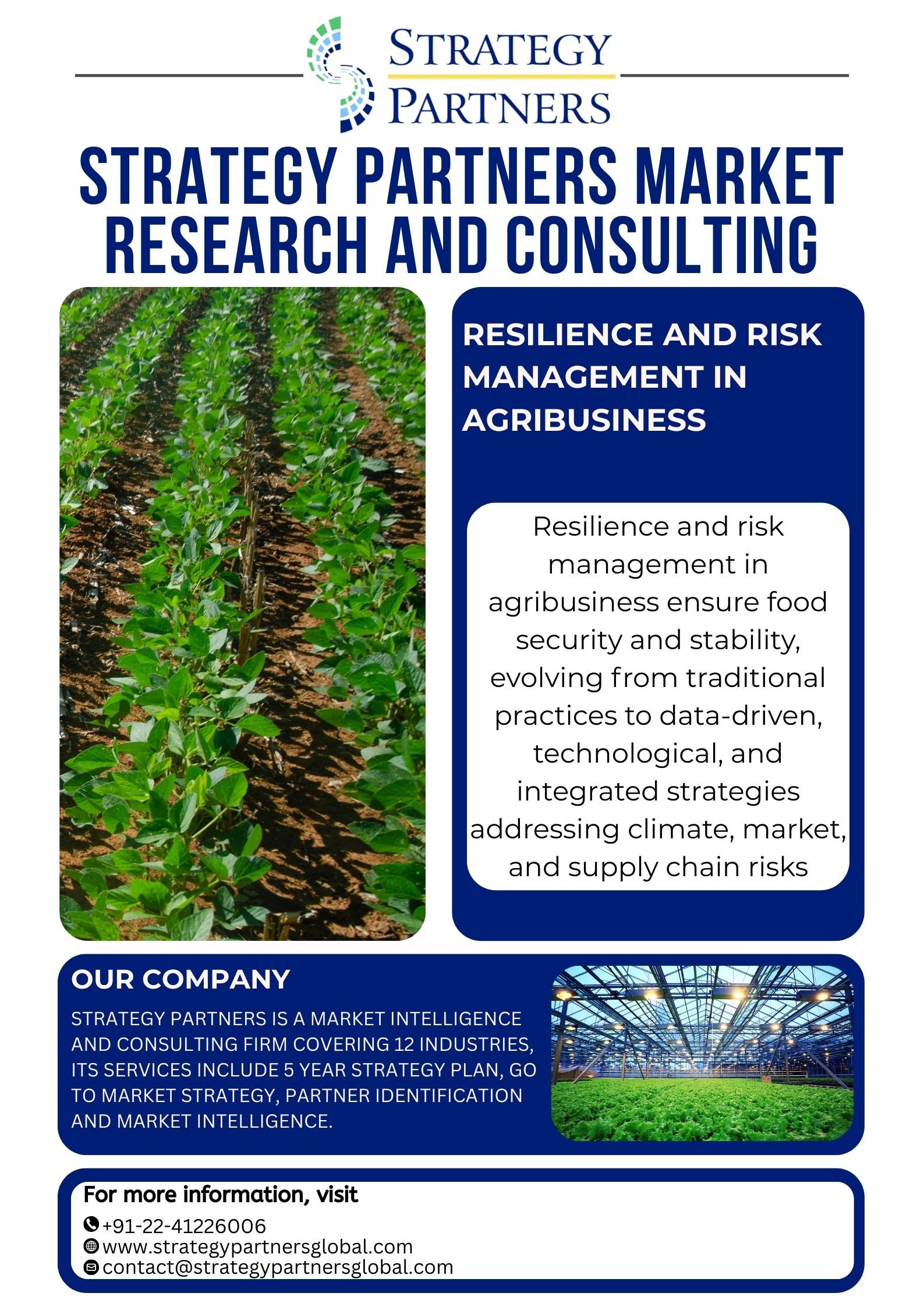
Agribusiness is the backbone of global food security. It supports rural livelihoods and economic stability. However, the sector faces many risks. These include climate changes, price shifts, and disease outbreaks. Additionally, geopolitical issues can disrupt supply chains.
Resilience helps farms and firms handle these shocks. It allows them to absorb problems and recover quickly. Consequently, they can sustain productivity. Risk management works alongside resilience. It identifies threats early. Then, it creates plans to reduce those threats. Together, these strategies ensure operations continue smoothly. They are vital for survival in a changing world.
The Evolution of Agribusiness Strategies
The Past: Local and Reactive
Historically, risk management was informal. It relied heavily on traditional knowledge. Farmers used simple methods to avoid failure. For example, they planted different crops together. They also rotated crops seasonally to stop pests.
However, institutional support was limited. Farmers rarely had access to insurance or credit. Therefore, they faced financial risks alone. Local markets absorbed price changes. Furthermore, communities managed supply disruptions together. Overall, these strategies were reactive. They focused on local survival rather than global stability.
The Present: Data-Driven and Structured
Today, the approach is different. Strategies are structured and high-tech. Modern firms use digital tools to manage risk. For instance, satellites monitor weather patterns. Predictive analytics help forecast crop yields.
Supply chains are also stronger now. Companies buy from different regions to avoid shortages. They also use better logistics to manage disruptions.
Financial tools play a big role today. Farmers use crop insurance to protect against losses. Governments also support safety nets. Additionally, sustainability is a priority. Businesses adopt eco-friendly practices. This reduces regulatory and environmental risks.
The Future: Integrated and Proactive
Looking ahead, systems will become smarter. Climate change and population growth drive this shift. Consequently, we will see more “smart agriculture.” This includes IoT sensors, drones, and AI.
These tools allow real-time monitoring. They enable rapid responses to risks. Furthermore, supply chains will diversify even more. Cold chains will improve to prevent food loss.
Financial tools will also evolve. Blockchain and fintech will provide faster support. Moreover, collaboration will increase. Governments and private firms will work together. They will share knowledge and align policies. Ultimately, the future focuses on holistic systems. These systems will integrate technology, finance, and social factors.
Market Dynamics
Drivers of Growth
Several factors push the sector forward.
-
Climate Change: Weather patterns are shifting. This forces farmers to adapt quickly.
-
Market Volatility: Prices fluctuate often. Therefore, financial protection is necessary.
-
Tech Innovation: New tools help. Precision farming allows proactive monitoring.
-
Global Supply Chains: We rely on international markets. This requires strong logistics.
-
Policy Support: Governments offer incentives. Subsidies and insurance encourage safety.
-
Consumer Demand: People want reliable food systems. This pushes firms to be resilient.
Restraints on Growth
However, barriers still exist.
-
High Costs: New tech is expensive. It requires heavy investment.
-
Limited Finance: Small farmers often lack credit. They cannot easily buy insurance.
-
Knowledge Gaps: Many people do not know how to use modern tools.
-
Fragmented Chains: Supply chains are complex. This makes coordination difficult.
-
Regulatory Barriers: Rules are sometimes unclear. This stops standardized approaches.
-
Tech Limits: Internet access is poor in some areas. This limits digital adoption.
Key Challenges
The sector must overcome specific hurdles.
-
Pests and Diseases: New pests threaten crops. They can destroy production.
-
Global Dependencies: Trade wars affect revenue. Tariffs can change prices suddenly.
-
Workforce Shortages: We need skilled workers. Modern tech requires trained staff.
-
Integration: All stakeholders must work together. This includes farms and markets.
-
Sustainability: We must balance efficiency with nature. This adds complexity.
-
Adoption Barriers: High costs stop many from using new systems.
Conclusion
Resilience is vital for food security. It ensures economic stability and growth. Strategies have moved from simple traditions to modern tech. Today, we use data to make decisions. The future requires even more integration.
We must combine climate adaptation with financial innovation. Challenges like high costs and market changes persist. However, strong policies can help. Investment in innovation is also key. By acting proactively, agribusiness can navigate uncertainty. This leads to a sustainable and profitable global food system.