
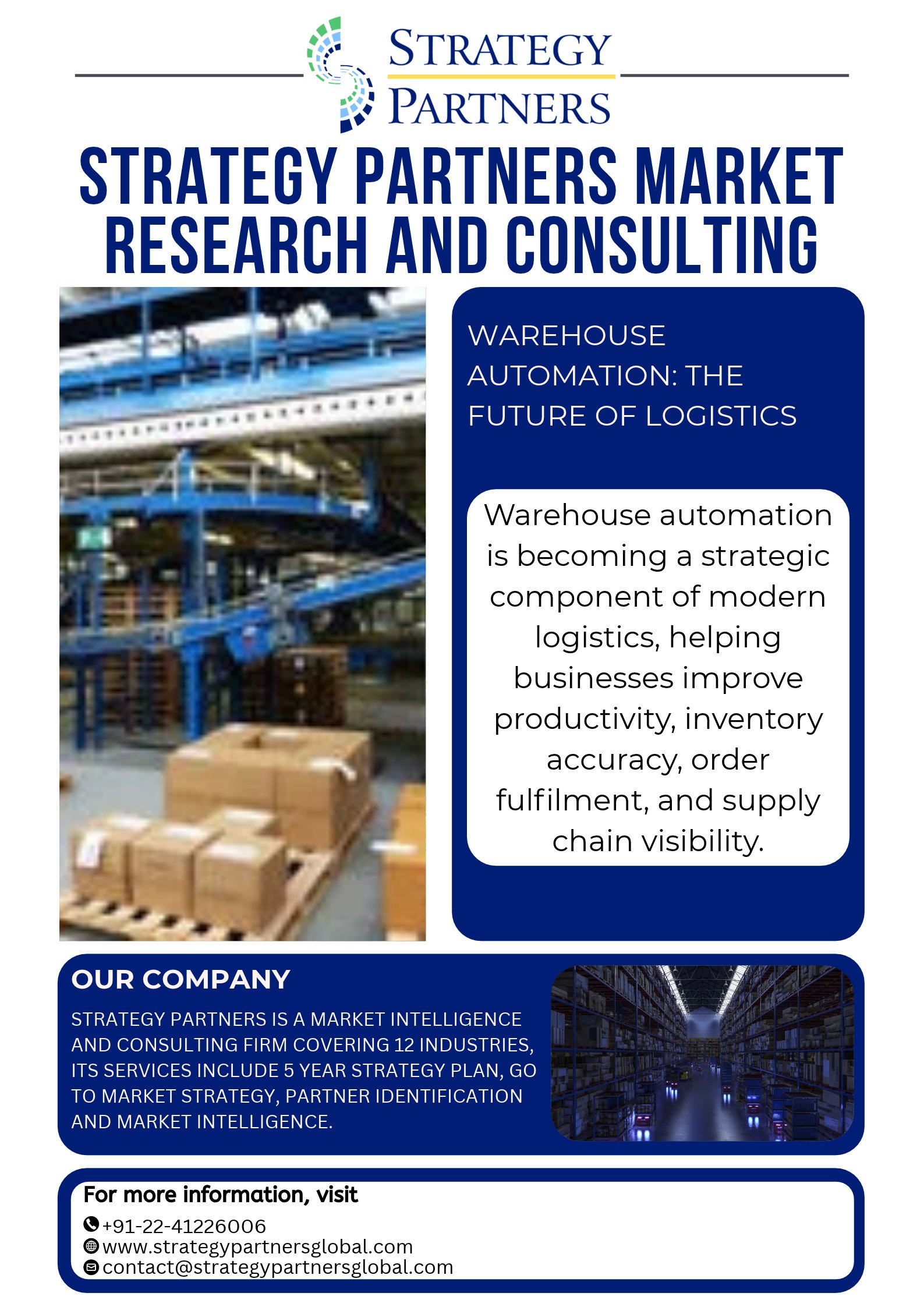
Warehouse automation is transforming the logistics industry by improving operational efficiency, reducing manual workloads, and increasing the accuracy of inventory management. As global supply chains become more complex and customer expectations for faster deliveries continue to rise, businesses are increasingly adopting automated technologies to streamline warehouse operations.
Traditional warehouses often depend on manual processes for receiving goods, sorting products, managing inventory, picking orders, and preparing shipments. These activities can be time-consuming and vulnerable to human error, particularly when businesses handle large volumes of orders. Warehouse automation addresses these challenges through robotics, artificial intelligence (AI), automated storage and retrieval systems, and intelligent warehouse management software.
From e-commerce fulfilment centres to manufacturing facilities and distribution hubs, automated warehouses are becoming an important part of modern supply chain management. As technology advances, warehouse automation is expected to play a significant role in building faster, more flexible, and cost-effective logistics operations.
What Is Warehouse Automation?
Warehouse automation refers to the use of technology and automated equipment to perform warehouse activities with reduced manual intervention. It includes hardware, software, robotics, and digital systems that improve the movement, storage, tracking, and distribution of goods.
Automation can range from simple conveyor belts and barcode scanning systems to advanced facilities where autonomous robots, AI-powered software, and automated storage systems coordinate complex workflows.
One of the primary objectives of warehouse automation is to improve productivity while maintaining accuracy and safety. Automated systems can help businesses process orders more efficiently, reduce inventory discrepancies, optimise storage space, and improve the visibility of goods throughout the supply chain.
Warehouse automation is particularly valuable for e-commerce companies, retailers, manufacturers, pharmaceutical distributors, and third-party logistics providers that manage high volumes of inventory and time-sensitive shipments.
Key Technologies Driving Warehouse Automation
Several emerging technologies are reshaping warehouse operations and creating new opportunities for the logistics industry.
Robotics and Autonomous Mobile Robots: Autonomous mobile robots (AMRs) transport goods, move inventory between workstations, and support order-picking activities. They use sensors, cameras, and navigation software to move around warehouse environments. Automated guided vehicles (AGVs), meanwhile, generally follow predefined routes or guidance systems to transport materials. Both technologies can reduce repetitive manual handling and improve material movement.
Automated Storage and Retrieval Systems: Automated storage and retrieval systems (AS/RS) use specialised equipment to store and retrieve products from designated locations. These systems can make better use of vertical warehouse space, improve inventory accessibility, and support faster order fulfilment. They are especially useful in facilities where storage density and processing speed are important priorities.
Artificial Intelligence and Machine Learning: AI-powered warehouse systems analyse inventory data, demand patterns, order volumes, and operational performance. These insights can help businesses forecast demand, allocate resources, optimise picking routes, and identify potential bottlenecks. Machine learning models can also improve planning as more operational data becomes available.
Warehouse Management Systems: A warehouse management system (WMS) coordinates inventory tracking, order processing, storage allocation, and shipping activities. When integrated with automation equipment, a WMS can provide real-time visibility into warehouse operations and help synchronise workflows across different systems.
Internet of Things and Smart Sensors: Internet of Things (IoT) devices connect equipment, inventory, and monitoring systems through digital networks. Sensors can track environmental conditions, equipment performance, and the movement of goods. This connectivity supports improved monitoring, preventive maintenance, and operational decision-making.
Together, these technologies enable warehouses to move towards more connected, data-driven, and responsive operating models.
Benefits of Warehouse Automation in Logistics
Warehouse automation offers several advantages for companies seeking to improve supply chain performance.
Higher Operational Efficiency: Automated equipment can perform repetitive tasks consistently and support continuous workflows. By reducing unnecessary movement and manual processing, businesses can improve throughput and handle higher order volumes.
Improved Inventory Accuracy: Digital scanning, automated tracking, and integrated inventory systems reduce the risk of recording errors and misplaced products. Better inventory accuracy helps businesses maintain appropriate stock levels and avoid unnecessary delays.
Faster Order Fulfilment: Automated picking, sorting, packing, and material handling can shorten processing times. This is particularly important for e-commerce businesses and retailers that need to meet demanding delivery schedules.
Better Space Utilisation: Automated storage systems can use warehouse height and available floor space more effectively. Improved storage density may help businesses increase capacity without expanding their facilities.
Enhanced Workplace Safety: Automation can reduce the need for employees to perform repetitive lifting, transport heavy loads, or work in certain hazardous areas. However, safe implementation requires appropriate equipment design, employee training, and procedures for human-robot interaction.
Long-Term Cost Optimisation: Although automation requires upfront investment, it can help control labour-intensive processes, reduce errors, and improve equipment utilisation. The actual financial benefits depend on order volumes, facility design, maintenance costs, and the complexity of implementation.
Applications of Warehouse Automation Across Industries
Warehouse automation is becoming increasingly important across multiple sectors.
In e-commerce and retail, automated picking and sorting systems help manage large numbers of individual orders, particularly during seasonal demand peaks. Faster processing can support improved delivery performance and customer satisfaction.
In manufacturing, automated warehouses coordinate the movement of raw materials, components, and finished products. Integration with production planning systems can help ensure that materials reach manufacturing lines when required.
In the pharmaceutical and healthcare industries, warehouse automation supports accurate inventory tracking, product traceability, and controlled storage conditions. Temperature monitoring and automated records are especially important for products that require specific handling conditions.
In food and beverage logistics, automated material handling and temperature-controlled warehouse systems can improve product movement and help maintain storage requirements. Proper monitoring is essential for products that are sensitive to temperature changes.
Third-party logistics providers also use automation to manage inventory for multiple clients, improve warehouse utilisation, and increase operational flexibility. These applications demonstrate how automated systems can support different supply chain requirements.
Challenges in Implementing Warehouse Automation
Despite its benefits, warehouse automation presents several challenges that businesses must evaluate before investing.
High Initial Investment: Robotics, automated storage systems, sensors, and software platforms can require substantial capital expenditure. Companies must assess expected returns, operating costs, and the scale of automation needed for their facilities.
Integration Complexity: New equipment must work effectively with existing warehouse management software, enterprise resource planning systems, and transportation platforms. Poor integration can create workflow disruptions and limit the benefits of automation.
Workforce Training: Employees need appropriate training to operate, monitor, and maintain automated systems. Businesses may also need workers with specialised skills in robotics, software, and equipment maintenance.
Maintenance and Downtime: Automated facilities depend on reliable equipment and software. Unexpected failures can disrupt order processing, making preventive maintenance, technical support, and contingency planning essential.
Scalability and Flexibility: Demand can fluctuate significantly across industries. Businesses should select systems that can accommodate changing order volumes, product types, and operational requirements without requiring major redesigns.
A successful automation strategy therefore requires careful planning, realistic performance targets, and continuous evaluation.
The Future of Warehouse Automation
The future of warehouse automation will be shaped by advances in robotics, AI, machine vision, cloud computing, and connected supply chain platforms. More warehouses are expected to adopt flexible automation systems that can be expanded as operational requirements evolve.
AI-driven planning tools may improve demand forecasting and resource allocation, while collaborative robots can assist employees with repetitive handling and picking tasks. Digital twins and simulation technologies may also help businesses evaluate warehouse layouts, test workflows, and identify potential inefficiencies before implementing physical changes.
Another important trend is sustainable warehouse operations. Automated lighting, energy-efficient equipment, smart building controls, and optimised material movement can help reduce energy consumption and operational waste when properly designed and managed.
The growing availability of robotics-as-a-service and other flexible investment models may also make automation more accessible to small and medium-sized businesses. However, adoption will depend on business requirements, system reliability, workforce capabilities, and the availability of suitable infrastructure.
Conclusion
Warehouse automation is becoming a strategic component of modern logistics, helping businesses improve productivity, inventory accuracy, order fulfilment, and supply chain visibility. Technologies such as autonomous mobile robots, automated storage and retrieval systems, artificial intelligence, IoT sensors, and warehouse management software are transforming how goods are stored, handled, and distributed.
Although implementation costs, integration challenges, and workforce training remain important considerations, a well-planned automation strategy can create lasting operational benefits. As logistics networks continue to evolve, warehouse automation will play an increasingly important role in supporting efficie