
Green Hydrogen: Opportunities and Challenges in the Global Energy Market
Green hydrogen drives global decarbonization and sustainable energy transitions. It uses renewable-powered electrolysis to create clean fuel. This offers a vital way to lower emissions in heavy industries, even with current cost and infrastructure hurdles.
Introduction: The Push for Clean Energy
The push for a low-carbon economy has sharply increased the demand for clean energy. Governments, industries, and consumers want to reach net-zero emissions quickly. Therefore, they focus heavily on decarbonizing sectors that cannot easily use direct electricity.
Why Green Hydrogen Matters
In this shift, green hydrogen stands out as a crucial part of our future energy system. Wind, solar, and hydro power drive a process called electrolysis. This process splits water into oxygen and hydrogen. The result is a flexible fuel that creates zero greenhouse gas emissions.
Moving Away from Fossil Fuels
Energy leaders want to replace fossil-fuel-based “gray” and “blue” hydrogen with this green alternative. By doing so, they can minimize the environmental damage caused by traditional fuels. Industrial processes, heavy transport, and power plants can finally run without carbon emissions. Furthermore, this green ecosystem helps nations secure their energy supply, store renewable power, and hit strict climate goals.
The Past: High Costs and Fossil Fuels
Early in the renewable energy shift, experts paid little attention to green hydrogen. Renewable electricity simply cost too much to make it viable. Instead, steam methane reforming (SMR) dominated hydrogen production. SMR relies heavily on natural gas and releases massive carbon emissions.
Early Technology Limits
Historically, industries used alkaline water electrolyzers for small, niche tasks. However, using them to produce massive amounts of energy made no commercial sense. Over the past few decades, scaling renewable energy remained expensive and complex. Green hydrogen just could not compete with cheap fossil fuels.
Lack of Regulation
At the same time, governments had not yet created strict environmental rules for industrial emissions. Because of this, companies invested very little in hydrogen research and development. The idea of a green hydrogen economy stayed entirely theoretical.
The Present: Falling Costs and Rapid Growth
Today, falling renewable energy costs, strict environmental laws, and energy security fears shape the market. Investors pour billions of dollars into global markets every year. This money funds new pilot projects and massive electrolysis plants.
Decarbonizing Heavy Industry
Because of this funding, green hydrogen now ranks as a top priority for energy leaders. Companies actively deploy advanced electrolyzers, like Proton Exchange Membrane (PEM) and Solid Oxide systems. These modern systems work efficiently with changing solar and wind power levels. Industries now use green hydrogen to clean up hard-to-abate sectors like steelmaking, chemical production, and heavy shipping.
Global Collaborations and Subsidies
Energy firms, tech companies, and industrial buyers form strategic partnerships. Together, they build dedicated “hydrogen hubs.” Meanwhile, regions like the European Union, Australia, and the United States offer historic subsidies. Laws like the US Inflation Reduction Act accelerate market growth and help green hydrogen compete with fossil fuels.
The Future: Scaling Up and Global Trade
Tech innovation, standardized infrastructure, and global trade will drive the future market. As renewable capacity grows, massive volumes of green hydrogen will enter international markets. Experts predict a major shift from megawatt-scale to gigawatt-scale production plants.
Advanced Storage and AI
Companies will introduce better storage and transport solutions. For example, they will convert hydrogen into green ammonia for easier global export. The industry will also favor technologies that offer higher efficiency and rely less on rare earth metals. Additionally, artificial intelligence will automatically match electrolyzer use with peak renewable power generation.
A New Energy Pillar
Ultimately, green hydrogen will become a core pillar of our global energy mix. By scaling this technology, the world can achieve deep decarbonization. We can also secure energy independence and build stronger climate resilience.
Market Drivers: What Fuels the Growth?
Several key factors drive the rapid growth of this market.
Climate Goals and Cheap Renewables
Global commitments to net-zero emissions act as the primary growth driver. Heavy industries desperately need viable alternatives to coal and natural gas. At the same time, solar and wind power costs have dropped drastically. This cheap electricity accelerates new investments in electrolysis plants.
Taxes and Energy Sovereignty
Strict environmental rules and carbon taxes push companies to adopt zero-emission fuels. Governments roll out aggressive subsidies to lower the “green premium” and encourage clean industry. Furthermore, geopolitical tensions force nations to secure their own energy. Domestically produced green hydrogen offers a clear path to energy independence.
Market Restraints: Barriers to Expansion
Despite huge potential, several barriers slow down market expansion.
High Capital Costs
Building large-scale electrolyzer facilities requires massive upfront investments. This high capital cost poses a major hurdle for rapid scaling. Right now, green hydrogen costs significantly more to produce than fossil fuels.
Infrastructure Gaps
Transporting and storing hydrogen requires specialized pipelines that resist embrittlement. It also requires highly pressurized or cryogenic storage tanks. Unfortunately, most regions still lack this crucial infrastructure. Finally, converting electricity to hydrogen and back again causes significant energy losses. This lowers overall system efficiency and hurts investor returns.
Operational Challenges: Water and Regulations
The industry still faces difficult operational and technological challenges.
Water Scarcity
Electrolysis requires massive amounts of highly purified water. This creates major problems in desert regions that have great solar power but severe water scarcity. To fix this, companies often must build expensive desalination plants. Engineers also struggle to improve the lifespan and durability of electrolyzer parts.
Regulatory Roadblocks
Inconsistent global rules create deep market uncertainty. Countries have different safety standards, pipeline limits, and certification rules for “green” hydrogen. These differences complicate cross-border trade and international investments. Finally, a lack of long-term purchase agreements makes buyers hesitate about future price stability.
Conclusion: A Clean Energy Future
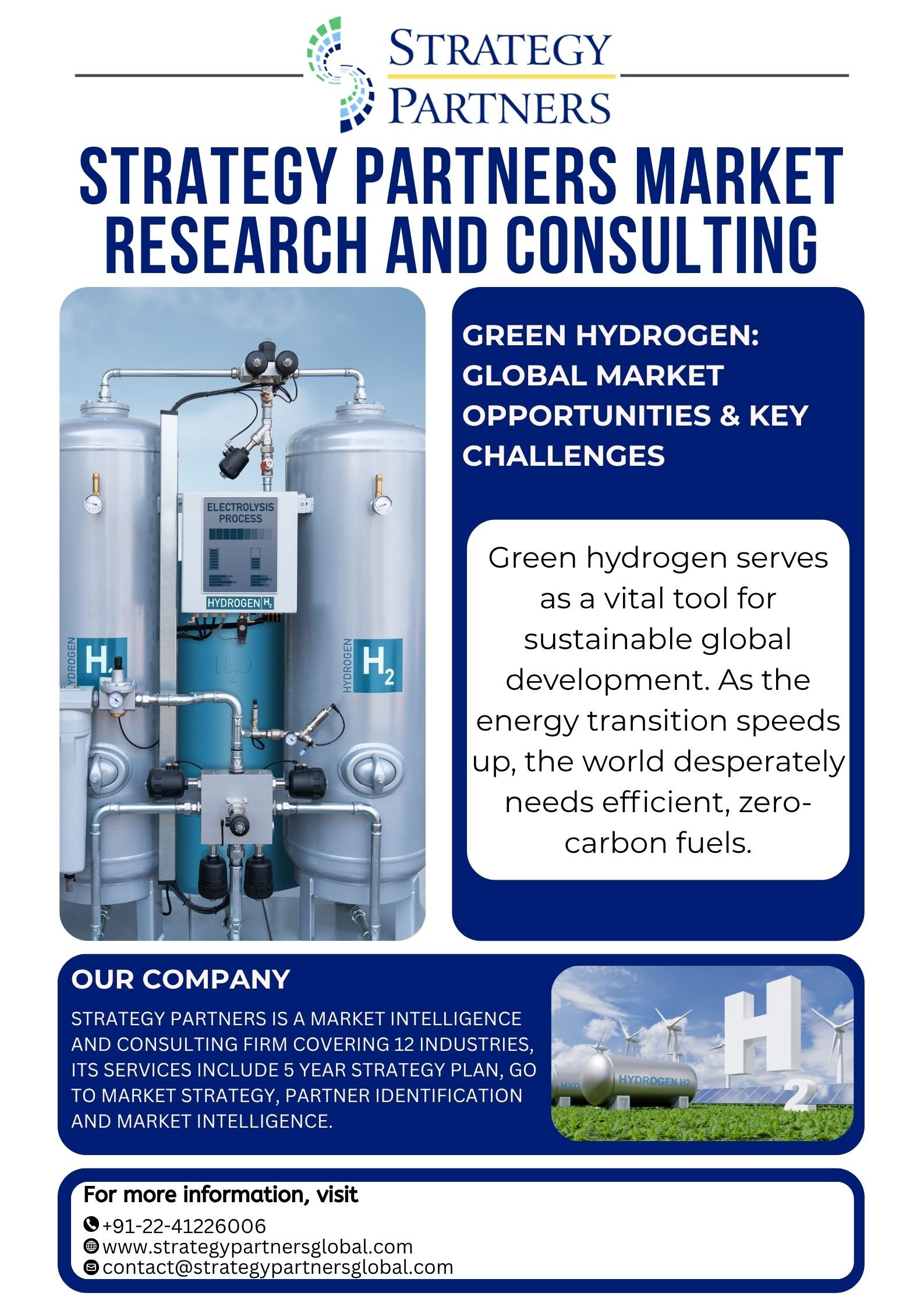
Green hydrogen serves as a vital tool for sustainable global development. As the energy transition speeds up, the world desperately needs efficient, zero-carbon fuels.
Advanced electrolysis, global teamwork, and strong government support will help green hydrogen succeed. It can effectively decarbonize our most energy-intensive sectors, reduce environmental harm, and boost energy security. High costs and infrastructure gaps still exist, but the global market has made incredible progress. In the coming years, green hydrogen will play a central role in hitting climate targets. It will ensure that our shift to a sustainable grid remains economically and operationally sound.