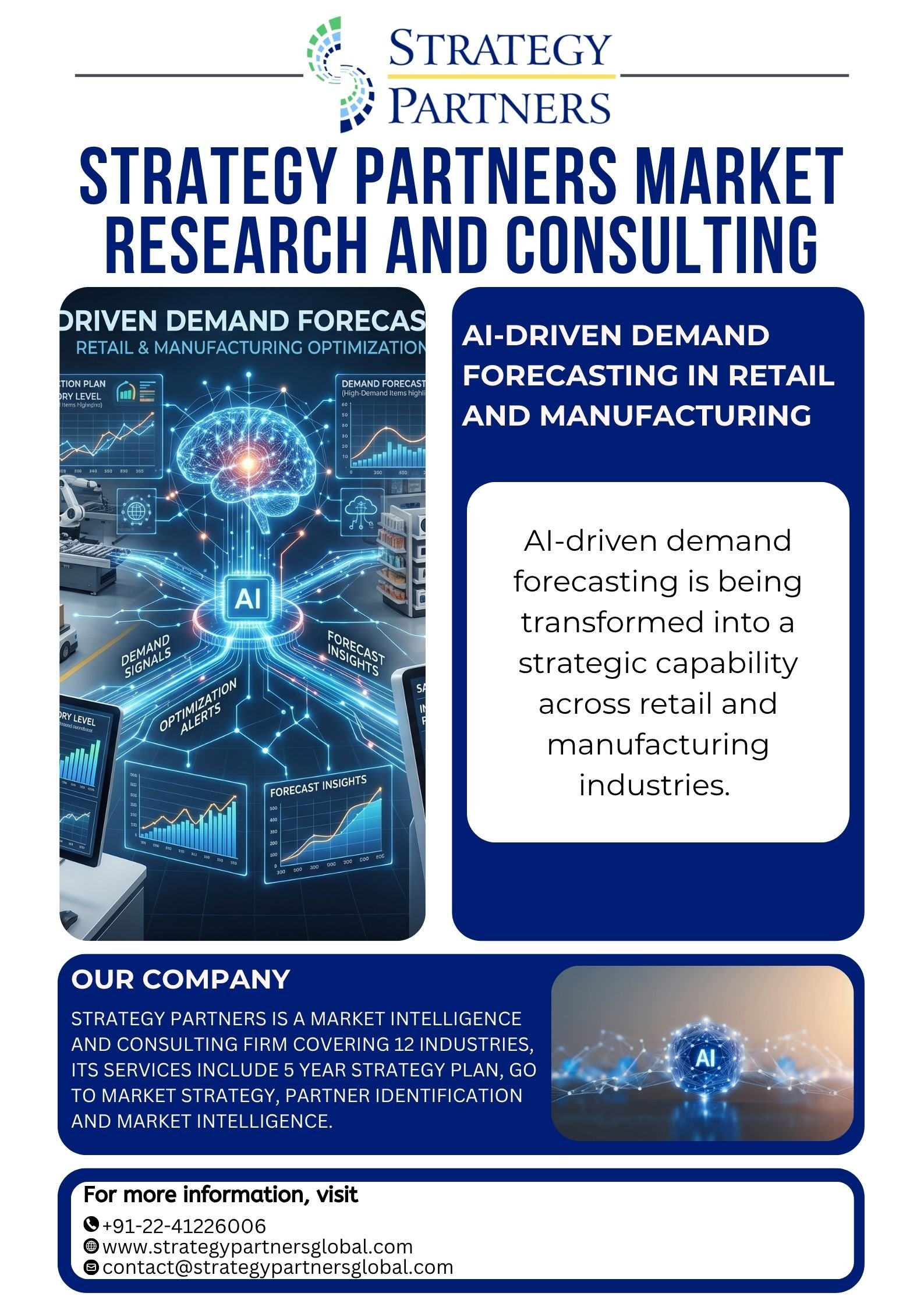
AI-Driven Demand Forecasting in Retail and Manufacturing
AI-driven helps retail and manufacturing companies predict demand. It uses smart tools like machine learning and real-time data to improve inventory, planning, and supply chains.
Why Demand Forecasting Matters
Retailers and manufacturers rely heavily on demand forecasting. Good forecasts help companies manage inventory, plan production, and keep customers happy. In the past, businesses used basic math, old sales data, and manual work to predict trends. Today, complex markets and fast-changing consumer tastes make these old methods fail. Global supply chain shocks also highlight the limits of traditional forecasting.
How AI Changes the Game
Artificial Intelligence (AI) offers a powerful new solution. Companies now use machine learning, predictive analytics, and big data to forecast demand. These tools process huge amounts of data instantly. They easily spot buying trends, seasonal changes, and outside market forces. Retailers and manufacturers use AI to cut waste and lower costs. AI also improves production schedules and speeds up decision-making. Therefore, AI forecasting has become a key tool for modern, resilient supply chains.
Traditional Forecasting Methods
In the past, businesses based their forecasts on old sales data and spreadsheets. They used basic statistics to guess future demand. These older methods worked for simple tasks. However, they struggled to adapt quickly during unstable market conditions.
The Shift from Manual to AI
Retail managers once relied heavily on their own experience and manual guesswork. Manufacturers depended on static software to plan production. Both struggled to handle sudden shifts in consumer habits or supply chain shocks. Early AI tools were too expensive and slow. Companies also lacked the data storage needed for advanced models. Later, better cloud computing and smarter algorithms changed this. Large brands started buying AI systems to track inventory and automate orders. These early steps built the foundation for today’s AI networks.
Current AI Applications
Today, retailers and manufacturers actively use AI to boost performance. Smart algorithms analyze huge datasets from sales, social media, weather, and the economy. Retailers deploy AI to fix inventory errors and set better prices. This prevents empty shelves and stops excess stock. Companies track live shopping habits to catch new trends early. Online and physical stores now share data to create one unified forecast.
Smart Factories and Cloud Tech
Manufacturers link AI forecasts with smart factories and digital supply networks. Factory managers adjust production schedules using live demand data. This cuts waste and stops excess inventory buildup. Furthermore, AI models help procurement teams coordinate with suppliers. Cloud platforms make these tools cheaper and easier to scale. Now, even small businesses can afford advanced forecasting tools. AI systems also learn continuously, getting smarter over time. The recent pandemic sped up this shift. Businesses saw that traditional methods failed during global shocks. Consequently, they invested heavily in AI to stay agile and strong.
The Future of AI Forecasting
The future of forecasting points toward full automation and smarter decisions. As tech evolves, systems will become even more accurate and connected. We expect advanced AI to predict highly complex market shifts. Live forecasting will rely on smart devices and digital twin models. Businesses will soon see supply chain risks long before they happen.
Autonomous and Sustainable Supply Chains
Soon, fully automated supply chains may emerge. AI will adjust buying, stocking, and making goods without human help. Highly personalized forecasts will allow brands to customize products for individual shoppers. Sustainability will also drive future systems. AI helps companies cut waste, use fewer resources, and lower carbon emissions. Integrated platforms will connect retailers, factories, and shippers. This shared data will reduce uncertainty across all industries.
Key Market Growth Drivers
Many factors push companies to adopt AI forecasting. The need to cut costs and run smoother operations is a primary driver. Fast-growing online shopping also fuels market growth. Complex buying habits demand tools that process live data quickly. AI lets companies adapt fast. In manufacturing, the push for “smart factories” boosts AI investments. Additionally, cheap cloud computing makes big data tools easier to access. Companies also realize that bad forecasts cost money, pushing them toward AI.
Barriers to Adoption
Despite huge potential, some barriers slow AI adoption down. Setting up AI software costs a lot of money. Training staff also takes time and resources, which hurts smaller companies. Data privacy and cyber threats pose major risks. AI needs massive amounts of customer data to work. This raises the chance of data leaks and rule violations. Many older companies still use outdated IT systems. These old setups do not mix well with new AI tech. Finally, a severe lack of skilled AI experts slows growth worldwide.
Technical and Operational Challenges
The market faces tough technical hurdles. Poor data quality is a massive problem. AI needs clean, accurate data to make good predictions. Bad data directly leads to bad forecasts. Fast-changing consumer habits also confuse predictive models. Sudden economic crashes or climate disasters can easily break an AI forecast. “Black box” AI algorithms present another challenge. Many users cannot see exactly how the AI makes its choices. This lack of trust stops leaders from fully adopting the tech. Finally, AI models need constant updates and fresh data to stay sharp.
Conclusion
AI transforms how retail and manufacturing businesses predict demand. Companies use smart analytics and machine learning to build stronger supply chains. AI helps them run faster, cheaper, and better. Challenges like high costs, bad data, and old tech remain. However, new AI upgrades will continue to push global adoption forward. As the digital world grows, AI tools will become standard business assets. Ultimately, AI forecasting will create agile, sustainable, and highly efficient businesses that thrive in changing markets.