Luxury Goods Market in the Middle East
The Middle East luxury goods market has evolved into a major global retail hub, driven by strong purchasing power, tourism growth, economic diversification, and increasing digital transformation across key regional cities
Luxury Goods Market in the Middle East-Introduction
The luxury goods market in the Middle East represents one of the most important and profitable segments within the global retail landscape. The region’s strong purchasing power, cultural appreciation for premium products, and expanding tourism sector continue to shape its growth. Cities such as Dubai, Riyadh, and Doha have evolved into leading destinations for high-end retail, offering world-class shopping environments and luxury experiences. With regional economies gradually reducing dependence on oil revenues, luxury retail plays a key role in economic diversification strategies.
Luxury Goods Market in the Middle East-Past
During the early 2000s and 2010s, the Middle East’s luxury sector operated within a limited number of urban centres, primarily serving affluent residents, expatriates, and visiting tourists. Sales were concentrated in exclusive boutiques and premium shopping malls, as online retail remained in its infancy and digital payment infrastructure was still emerging. The market was largely controlled by international luxury houses that depended on import-based business models, leading to elevated retail prices influenced by tariffs and logistics expenses. Counterfeit products and weak enforcement of intellectual property rights created additional barriers. Luxury ownership functioned as a clear indicator of social distinction and success. With expanding economies and a growing tourism base, significant capital was allocated to high-end retail infrastructure, flagship shopping destinations, and regional shopping festivals. These strategic developments laid the groundwork for a more structured, technology-driven, and consumer-accessible luxury retail environment.
Luxury Goods Market in the Middle East-Present
The current phase of the Middle East’s luxury market reflects steady expansion supported by urbanization, increasing disposable incomes, and growing consumer sophistication. Dubai, Riyadh, and Doha serve as regional retail hubs, attracting both domestic and international shoppers through flagship stores, premium malls, and duty-free outlets. Consumer profiles have diversified, with younger audiences and female buyers emerging as key segments. The rapid growth of online shopping platforms has encouraged wider adoption of digital payments and omnichannel retail strategies. Governments continue to introduce investment-friendly policies, VAT refund mechanisms, and tourism incentives to strengthen the sector. Modern consumers increasingly value authenticity, personalization, and experiential retailing. Regional designers and homegrown luxury brands are gaining traction, positioning the Middle East not only as a consumption centre but also as an emerging contributor to global fashion and design.
Luxury Goods Market in the Middle East-Future
The Middle East’s luxury market is projected to sustain double-digit growth driven by digital innovation, demographic change, and enhanced retail ecosystems. E-commerce and virtual showrooms are expected to dominate future sales channels, while omnichannel integration will blur the line between physical and digital experiences. Sustainability and ethical sourcing are anticipated to become central to brand strategies, as environmentally conscious consumers favour products with transparent supply chains and sustainable packaging. Pre-owned and circular luxury models are forecast to expand, supported by changing perceptions of value and longevity. Governments across the GCC are prioritizing tourism development and cultural initiatives to position their cities as global luxury destinations. Simplified trade procedures, improved intellectual property protection, and greater collaboration between public and private sectors are likely to reinforce investor confidence. These developments will strengthen the Middle East’s position as a strategic hub linking Europe, Asia, and Africa in the global luxury ecosystem.
Luxury Goods Market in the Middle East-Growth
Increasing Disposable Incomes
Growing wealth levels and an increasing number of high-net-worth individuals continue to drive demand for luxury goods. As purchasing capacity expands, consumers allocate more spending toward premium lifestyle and fashion products.
Tourism and Shopping Events
Luxury retail benefits from robust tourism inflows and high-profile shopping festivals such as the Dubai Shopping Festival. Duty-free zones, VAT exemptions, and airport retail outlets enhance convenience for international buyers.
Retail Infrastructure Development
World-class malls, flagship stores, and experiential shopping districts enhance brand visibility and consumer engagement. These developments align with the region’s vision to create global retail destinations.
Digital and Omnichannel Growth
Smartphone penetration and secure digital payment systems enable seamless online luxury shopping. Integrated retail models combining in-store and online experiences support greater customer convenience and brand loyalty.
Government Vision and Policy Reforms
National development plans such as Saudi Vision 2030 and the UAE’s economic diversification programs prioritize retail modernization. Reforms in trade regulations, taxation, and intellectual property strengthen the business environment for luxury operators
Luxury Goods Market in the Middle East-Restrains
High Import Duties and Tariffs
Luxury items often attract elevated import duties and logistics costs, maintaining retail prices above global averages and limiting accessibility for certain consumer segments.
Economic Sensitivity to Oil Prices
Luxury consumption patterns remain influenced by fluctuations in oil revenues. Economic slowdowns or budget constraints tend to reduce discretionary spending on high-end goods.
Market Saturation in Key Cities
Leading cities such as Dubai and Doha exhibit a dense concentration of luxury outlets, resulting in heightened competition and reduced exclusivity.
Distribution and Logistics Constraints
Despite strong urban infrastructure, smaller cities and remote regions continue to face challenges in delivery reliability and supply chain efficiency
Luxury Goods Market in the Middle East-Challenges
Sustainability Commitments
Growing awareness of environmental and ethical considerations places additional pressure on brands to implement sustainable materials and production practices.
Digital Authentication and Consumer Trust
The increase of online luxury transactions underscores the need for reliable digital authentication systems and enhanced cybersecurity to prevent counterfeiting.
Talent and Service Excellence
Luxury retail relies heavily on high-quality customer service and cultural sensitivity. Recruiting and training personnel capable of maintaining international standards remains an ongoing challenge.
Currency and Cost Volatility
Exchange rate movements and rising operational expenses affect pricing consistency and profitability, particularly for imported products.
Geopolitical and Economic Risks
Regional instability and policy shifts occasionally disrupt trade, investment flows, and consumer confidence, requiring brands to adopt flexible strategies
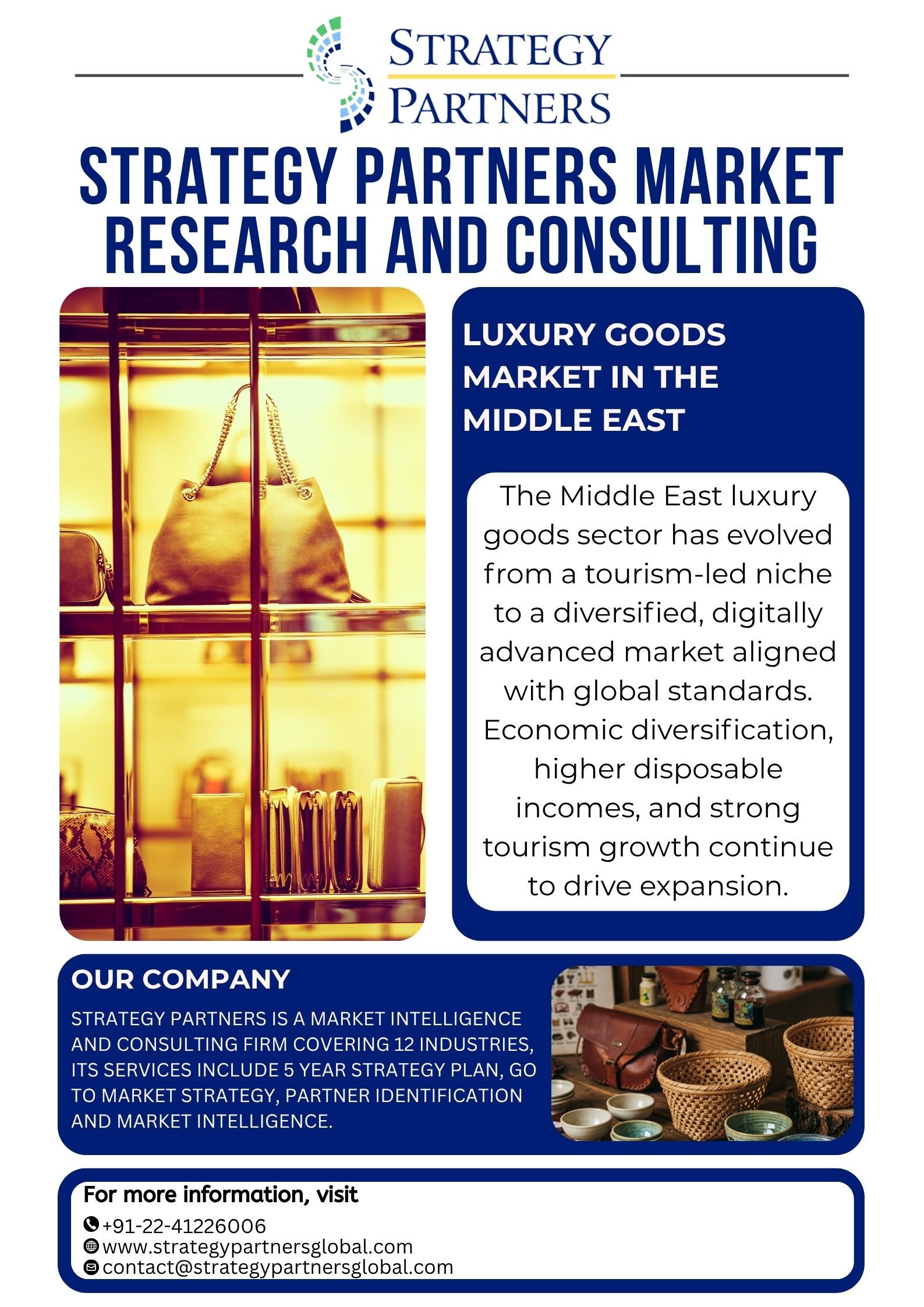
The Middle East luxury goods sector has evolved from a tourism-led niche to a diversified, digitally advanced market aligned with global standards. Economic diversification, higher disposable incomes, and strong tourism growth continue to drive expansion. Supported by strategic geography and modern infrastructure, the region offers an ideal base for global luxury brands. Future growth will hinge on innovation, digital integration, and sustainability, with success depending on cultural alignment and premium quality. Despite ongoing challenges in regulation, competition, and cost management, the region remains well positioned to reinforce its role as a leading global hub for luxury, culture, and commerce.