Optimizing Supply Chain with AI and IoT
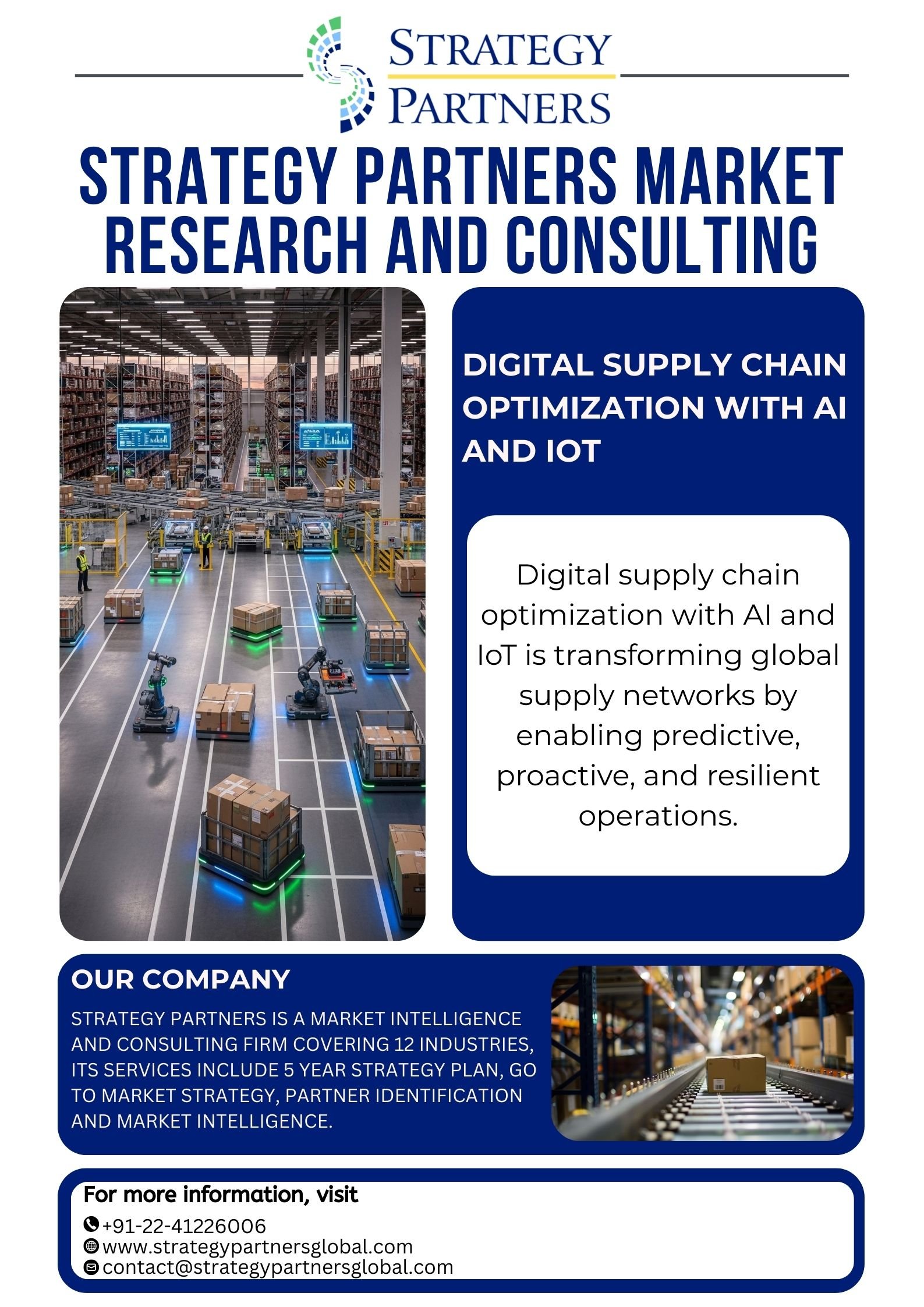
AI and IoT are changing how global digital supply chain work. These tools provide real-time views and help managers make better decisions. As a result, traditional manual networks are turning into smart, data-driven operations.
Why Modern Supply Chains Need a Change
The modern supply chain is the backbone of global trade. It connects suppliers, makers, and stores in a complex web. Recently, the rise of e-commerce and global trade has put massive pressure on these networks. Consequently, old models that rely on manual work and static planning can no longer keep up.
To solve this, companies are turning to Artificial Intelligence (AI) and the Internet of Things (IoT). Together, these technologies offer digital optimization. IoT sensors track goods from the factory to the front door. Meanwhile, AI studies this data to predict delays and manage stock. Therefore, digital optimization is no longer just an option; it is now a strategic necessity.
A Look Back: The Era of Manual Chains
In the past, supply chains were mostly reactive. Most companies used spreadsheets and old software to track their goods. Because they had limited visibility, decision-making was often slow. For instance, managers relied on old data, which made it hard to react to sudden market shifts.
Early tech efforts focused on basic tools like barcodes and RFID tags. While these helped track inventory, the overall process remained slow. Furthermore, disruptions like equipment failure or shipping delays often led to big financial losses. At that time, AI was limited to simple rules, and IoT was mostly a small-scale experiment.
The Present: Real-Time Intelligence
Today, AI and IoT have transformed supply chains into smart networks. Modern systems use live sensor data and machine learning to boost efficiency.
Live Tracking with IoT
IoT sensors now monitor the temperature, location, and health of goods. This ensures quality and safety during transit. In warehouses, these devices track stock levels in real-time. As a result, companies can avoid both shortages and overstocking.
Predictive Power with AI
AI takes this live data and turns it into smart insights. For example, machine learning can predict customer demand with high accuracy. Additionally, AI helps find the fastest shipping routes by looking at traffic and weather. Many industries, such as pharma and food, already use these tools to stay ahead of the competition.
The Future: Autonomous Supply Networks
The future of supply chain optimization points toward fully autonomous networks. These systems will learn on their own and respond to changes instantly.
-
Digital Twins: Companies will use virtual copies of their supply chains to test new ideas and fix problems before they happen.
-
Advanced Robotics: AI-driven robots will soon handle most warehouse picking and packing. Furthermore, drones may become the standard for “last-mile” delivery in cities.
-
Sustainability: AI will help reduce carbon footprints by optimizing fuel use. Therefore, technology will help businesses meet green goals while saving money.
Key Market Drivers
Several factors are pushing companies to adopt these new technologies:
-
Growing Complexity: Global trade is getting harder to manage by hand.
-
Demand for Speed: Customers now expect fast and transparent shipping.
-
Cost Pressures: Rising costs force companies to find new ways to be efficient.
-
Risk Management: AI helps identify risks, such as natural disasters, before they cause a total shutdown.
Challenges and Roadblocks
Despite the benefits, there are still some hurdles to clear.
-
High Costs: Setting up IoT sensors and AI platforms requires a large upfront investment.
-
Security Risks: Because IoT devices collect so much data, they can be targets for hackers.
-
Old Systems: Many companies still use “legacy” software that does not talk to modern AI tools.
-
Staff Training: Employees need new skills to work alongside these smart systems.
Conclusion
In summary, AI and IoT are making global supply networks more resilient and proactive. While challenges like cost and security remain, the benefits are too big to ignore. By using these tools, businesses can save money, please their customers, and stay competitive in a fast-moving world.