
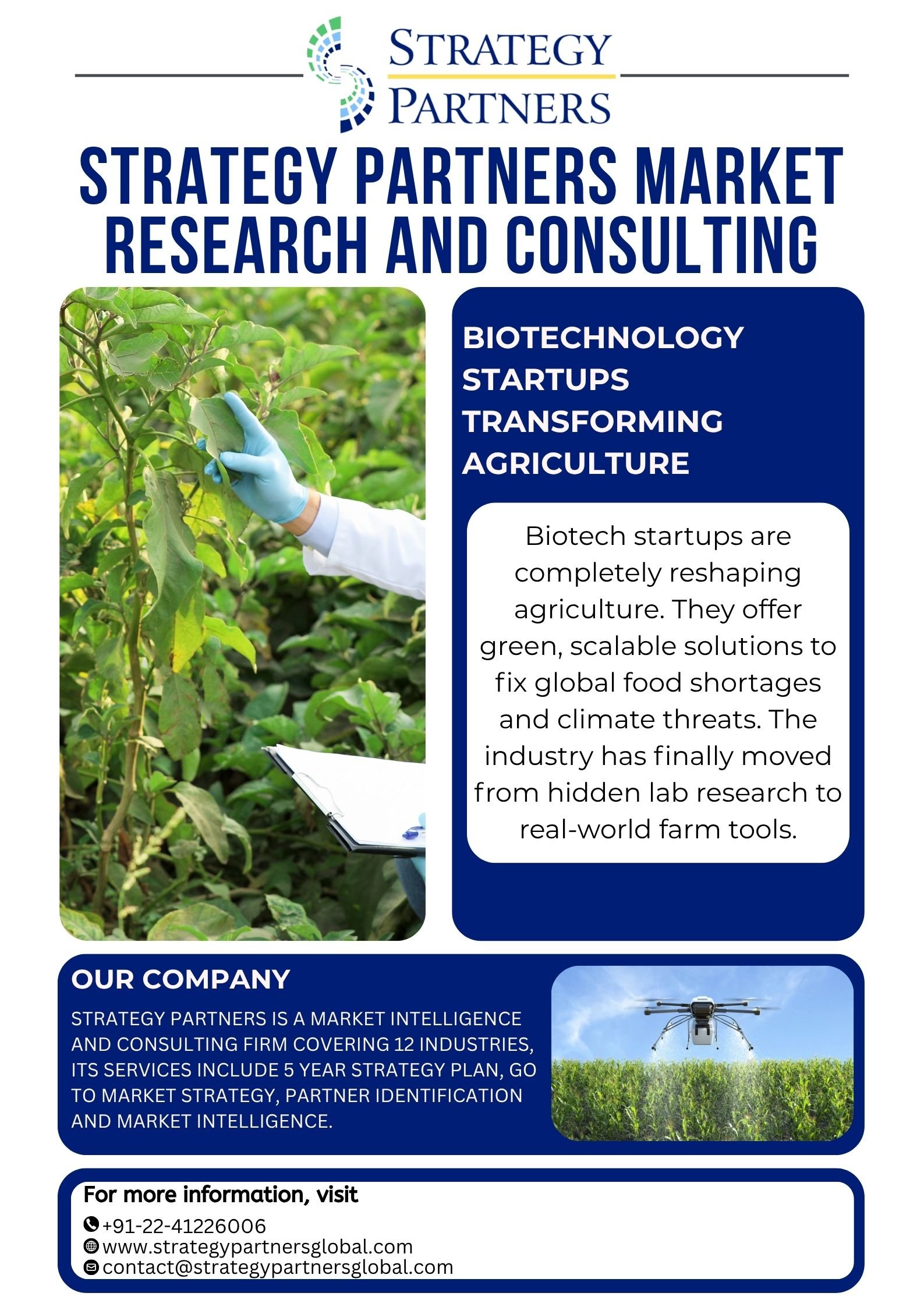
How Biotechnology Startups Are Revolutionizing Agriculture
Agriculture is the backbone of global food security. Today, it is undergoing a massive technological revolution. Biotechnology startups are driving this incredible change. They use modern genetics, data, and biology to upgrade traditional farming.
These companies want to boost crop yields and fight plant diseases. Additionally, they aim to reduce environmental harm. Their tools include gene-edited seeds, biofertilizers, and smart tech. As a result, farmers can grow crops much more efficiently. Connecting biotech with digital platforms helps farmers make better choices and increase their profits.
A Brief History of Ag-Biotech
Agricultural biotech is not a new idea. However, startups only recently joined the field. In the past, only massive corporations and universities did this research. They created high-yield crops and basic genetically modified organisms (GMOs).
Early startups struggled to compete. The costs were too high, and the rules were too strict. Consequently, most farms simply relied on chemical fertilizers and heavy machinery. Lab research laid a good foundation. Yet, small farmers rarely saw these high-tech benefits in their actual fields.
How Startups are Changing Farming Today
Today, biotech startups are making real, practical tools for everyday farmers. They focus heavily on precision farming, biofertilizers, and gene editing. These modern tools help farmers cut costs and protect the environment.
For example, some startups use CRISPR gene editing. This creates tough crops that can easily survive droughts and diseases. Other companies make soil boosters from natural microbes. Therefore, farmers can replace harsh chemical fertilizers.
Furthermore, farmers now use smart sensors and drones to track crop health. Startups also help keep food fresh longer after the harvest. To ensure success, they work closely with government groups to bring these tools directly to small farms.
Looking Ahead: The Future of Farm Tech
The future of agricultural biotech looks incredibly bright. The next wave of startups will focus on vertical farming and climate-proof crops. As the global population grows, we need more food. Undoubtedly, biotech will be essential for feeding the world.
Soon, startups will use artificial intelligence (AI) and blockchain to make farming even smarter. Computers will tell farmers exactly when to plant and water their crops. This will maximize harvests and drastically reduce waste. Moreover, vertical indoor farms will grow fresh food inside big cities year-round. Finally, startups will design crops packed with extra vitamins to improve public health.
Key Market Drivers
Several major factors are pushing this industry forward:
-
Global Food Demand: A growing population demands more food. Biotech helps farmers grow more food on much less land.
-
Climate Change: Farmers constantly battle droughts, floods, and bad soil. Fortunately, biotech offers climate-resilient crops to survive these harsh changes.
-
Government Support: Many countries provide grants and tax breaks for biotech research. This financial help encourages new startups.
-
Consumer Preferences: Everyday consumers want safer, organic food. Startups provide green alternatives to toxic chemicals, which perfectly matches consumer demand.
Roadblocks and Restraints
Despite the boom, startups face several big hurdles.
-
High Costs: Developing new seeds or bio-products requires expensive labs and testing.
-
Red Tape: New farm tech requires strict safety testing. Unfortunately, these long approval processes can delay product launches for years.
-
Farmer Hesitation: Getting farmers to try new things is hard. Many small farmers lack the money or knowledge to adopt biotech. If they cannot see instant results, they might reject the new tools.
Ongoing Business Challenges
Biotech companies also face tough daily challenges. Making a product work everywhere is incredibly difficult. A seed that grows well in one climate might fail entirely in another. Because of this, companies must do endless field testing.
Protecting ideas is also tough. Startups must aggressively defend their patents from massive corporate rivals. Additionally, new tech must fit seamlessly into traditional farm routines. Companies must train farmers without slowing down their daily work.
Most importantly, solutions must be affordable. If a new tool is too expensive, small farmers simply cannot buy it.
Conclusion
In summary, biotech startups are completely reshaping agriculture. They offer green, scalable solutions to fix global food shortages and climate threats. The industry has finally moved from hidden lab research to real-world farm tools.
Looking ahead, AI and indoor farming will push boundaries even further. High costs and strict rules still pose threats. However, the immense global demand for sustainable food creates massive opportunities. Ultimately, these startups are building a future where farming is smarter, safer, and much more productive.