
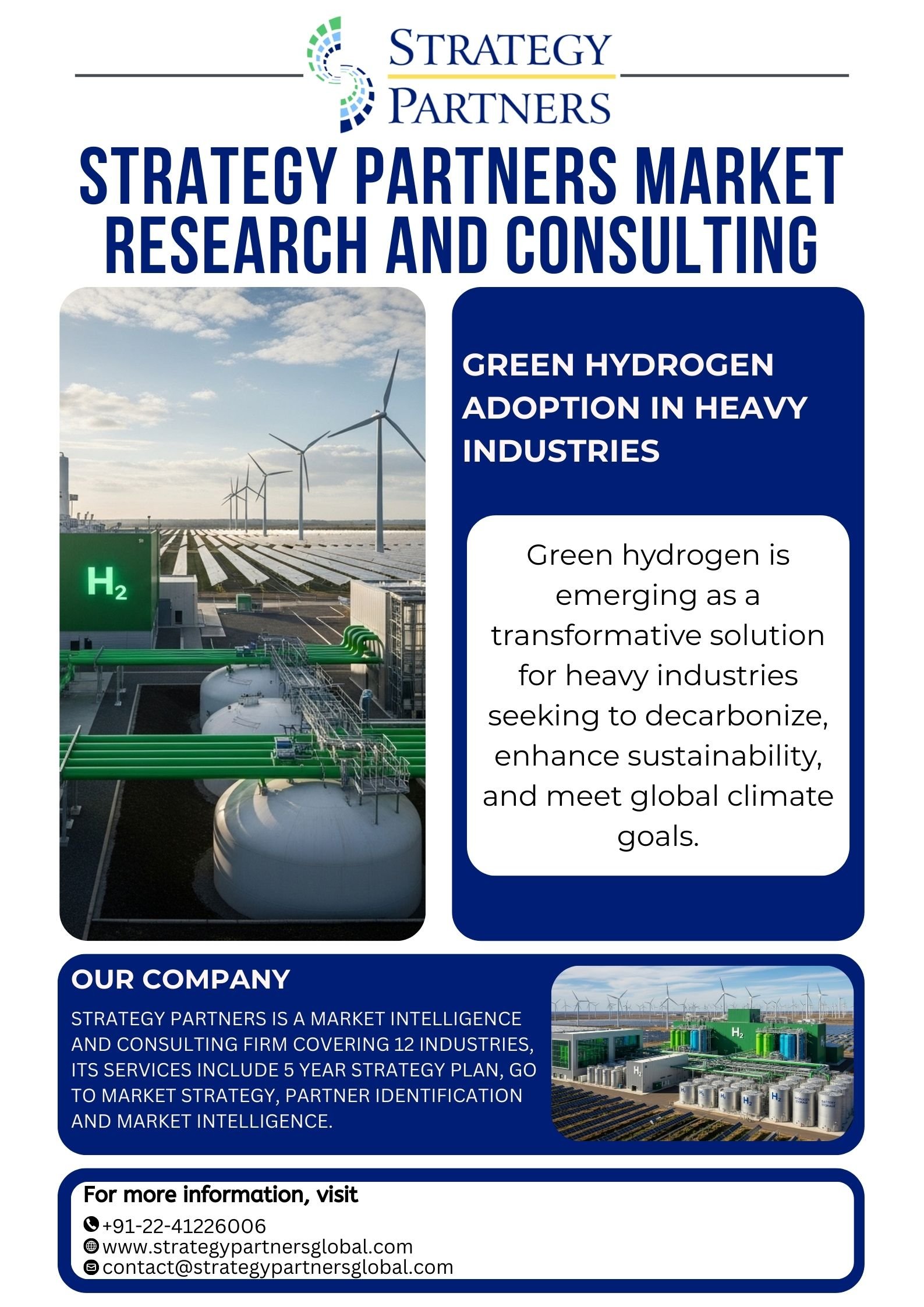
The Strategic Shift to Green Hydrogen
Currently, green hydrogen is revolutionizing heavy industries by enabling decarbonization and operational efficiency. This growth happens because of better technology, supportive policies, and the availability of renewable energy.
Introduction to Zero-Carbon Fuel
First, green hydrogen has emerged as a vital energy solution in the global effort to clean up industrial operations. Specifically, producers create this fuel by electrolyzing water with renewable energy sources. This process offers a zero-carbon alternative to traditional fossil fuels. Consequently, heavy industries like steel, cement, and chemicals—which are significant contributors to global carbon emissions—now view hydrogen as a strategic pathway to meet sustainability targets.
Furthermore, the appeal of green hydrogen lies in its versatility. It can replace carbon-intensive fuels in high-temperature processes or serve as a clean feedstock for chemicals. Unlike traditional methods that rely on natural gas, green hydrogen ensures the energy input itself is clean. Therefore, for industries facing strict environmental regulations, this technology represents both a necessity and a competitive advantage.
Historical Context and Evolution
The Past: A Fossil Fuel Foundation
Historically, hydrogen use in heavy industries was limited and came mostly from fossil fuels. This “grey hydrogen” involves steam methane reforming of natural gas, which releases substantial $CO_2$. In the past, industries used hydrogen primarily as a chemical ingredient. Meanwhile, they relied on coal or natural gas for their high-temperature energy needs.
However, early initiatives toward greener alternatives faced many obstacles. For example, pilot projects were often too small or purely experimental. Additionally, the high cost of electrolyzers and a lack of renewable electricity hindered adoption. As a result, heavy industries with narrow profit margins were slow to adopt these unproven energy alternatives.
The Present: A Landscape of Acceleration
Currently, the landscape reflects a significant acceleration in adoption. For instance, steel companies in Europe and Australia are now exploring the direct reduction of iron using green hydrogen instead of coke. Similarly, the refining sector is using green hydrogen for desulfurization to reduce its reliance on grey hydrogen.
Moreover, chemical industries are shifting toward green hydrogen for ammonia production. This transition is easier today because technology providers and energy producers are collaborating more closely. Because electrolyzer efficiency has improved, costs are finally falling. Consequently, governments in the EU and North America are introducing carbon pricing to encourage further investment.
Looking Toward the Future
Looking ahead, green hydrogen adoption will likely expand substantially. In fact, the next decade will witness a shift from small pilot projects to full-scale commercial use. Notably, the steel and cement industries will lead this transformation to align with global climate goals.
Furthermore, technological evolution will continue to drive this change. Next-generation electrolyzers will consume less energy, which will close the price gap between green and grey hydrogen. Coupled with better storage and pipeline infrastructure, green hydrogen will become a reliable solution for industrial energy demands. Finally, digital tools and AI will optimize these processes, further reducing operational costs.
Market Dynamics: Drivers vs. Restraints
To better understand the market, we can compare the factors pushing adoption against those holding it back:
| Key Drivers | Primary Restraints |
| Policy Pressure: Ambitious global decarbonization targets. | High Costs: Green hydrogen is still pricier than grey hydrogen. |
| ESG Commitments: Corporate goals to reduce carbon footprints. | Infrastructure: Limited storage and distribution networks. |
| Energy Security: Reduced reliance on volatile fossil fuel markets. | Intermittency: Dependence on inconsistent solar and wind power. |
| Tech Progress: Better efficiency and lower equipment costs. | Retrofitting: High upfront costs to modify existing plants. |
Core Challenges to Implementation
Despite the benefits, the transition faces several strategic challenges:
-
Technical Integration: Retrofitting systems requires sophisticated engineering and new safety protocols.
-
Scalability: Meeting the massive demand of heavy industry remains a logistical hurdle.
-
Workforce Adaptation: Personnel need specialized training to handle hydrogen safely.
-
Economic Uncertainty: Fluctuations in renewable energy costs create financial risks for long-term projects.
Conclusion
In summary, green hydrogen is a transformative solution for industries seeking to enhance sustainability. While it was once limited to experiments, current deployments prove its operational benefits. Although challenges like infrastructure and cost remain, the momentum is undeniable. Ultimately, advances in renewable energy and digital optimization are turning green hydrogen into a mainstream industrial strategy.