
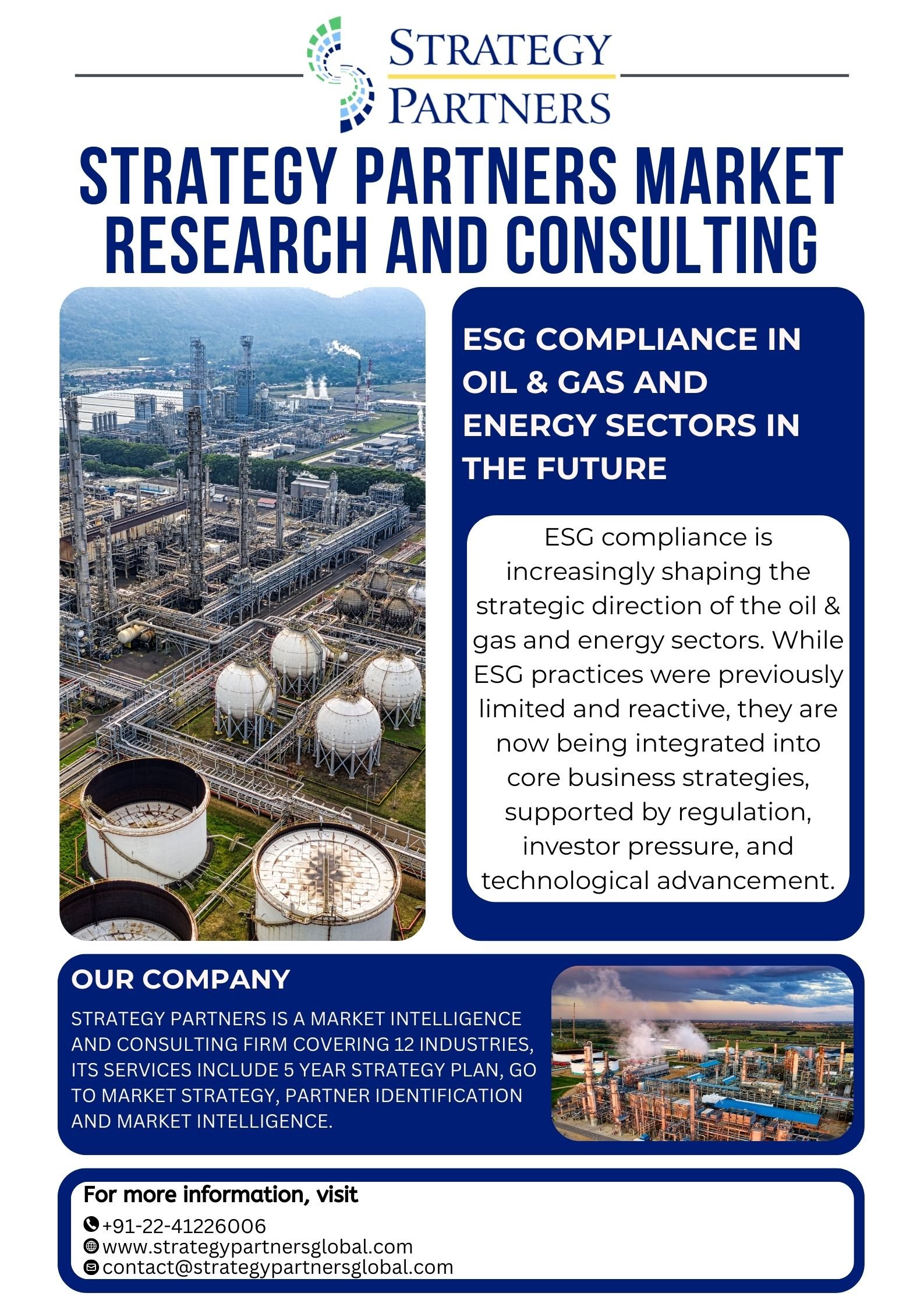
The Evolution of ESG Compliance in the Energy Sector
ESG compliance in the oil, gas, and energy industries has evolved from reactive reporting to a core strategic requirement. Today, regulation, investor pressure, and sustainability goals drive this change. However, companies still face significant costs and data challenges during this transition.
Introduction: A New Strategic Framework
Environmental, Social, and Governance (ESG) compliance is now a central focus for the energy sector. This shift occurs because global stakeholders—including governments, investors, and consumers—now demand transparency and responsible business practices. Initially, people associated these sectors with high carbon emissions and environmental risks. Consequently, regulators introduced stronger standards to guide corporate behavior.
Today, energy companies use ESG compliance to measure their impact on the planet and the workforce. Moreover, they no longer view it as a voluntary exercise. Instead, they treat ESG integration as an operational requirement. Through this integration, firms manage risks systematically and support long-term value creation.
The Past: A Reactive and Fragmented Approach
Historically, ESG compliance in the energy sector was limited and largely reactive. Companies often addressed environmental and social issues only after a crisis, such as an oil spill or a safety violation. Consequently, compliance efforts focused on meeting the bare legal minimum rather than exceeding it. Furthermore, environmental reporting was narrow, and data disclosure remained inconsistent across the industry.
During this period, social initiatives mostly focused on basic job creation and community development. However, boards did not systematically address workforce diversity or supply chain labor standards. Governance structures also prioritized financial goals over sustainability risks. Because investors looked mainly at production growth, they often ignored ESG risks. Therefore, the industry treated ESG as a cost burden rather than a strategic asset.
The Present: Integration and Transparency
In the current environment, ESG compliance has become more structured and transparent. Stronger regulatory frameworks and global climate commitments now drive proactive management. Consequently, many companies publicly monitor and report greenhouse gas emissions, methane leaks, and water usage.
Furthermore, social aspects now receive increased importance. Companies place a greater focus on employee health, safety, and inclusion. They also implement supply chain standards to ensure responsible sourcing. Meanwhile, governance practices have evolved. Boards now assign ESG oversight to specialized committees and leadership teams.
Energy firms are also adopting frameworks like GRI and TCFD to improve data comparability. Moreover, they link executive pay to ESG performance to reinforce accountability. Because access to financing now depends on sustainability ratings, ESG compliance has become a core element of business resilience.
The Future: Data-Driven Performance
Looking ahead, ESG compliance will become even more rigorous and data-driven. As decarbonization efforts accelerate, governments will likely enforce mandatory climate disclosures. Consequently, companies must become accountable for their entire value chain, including Scope 3 emissions.
Environmental compliance will align more closely with transition strategies, such as investments in hydrogen and carbon capture. Similarly, social expectations will expand to include “just transition” considerations and workforce reskilling. Additionally, governance standards will emphasize cybersecurity and ethical conduct.
To achieve this, firms will use advanced digital tools like AI and real-time monitoring. Over time, ESG will shift from a reporting exercise to a performance-driven model. Ultimately, companies that fail to adapt will face higher capital costs and regulatory penalties.
Key Market Drivers for ESG Adoption
Several factors accelerate the push for ESG compliance. Firstly, regulatory pressure acts as a powerful driver. Governments are introducing stricter environmental standards and carbon pricing. Secondly, investor demand has reached a tipping point. Institutional lenders now integrate ESG criteria into every underwriting decision.
In addition to external pressure, operational considerations support this shift. For instance, improved efficiency reduces costs and lowers risks. Strong social practices also build trust with regulators and employees. Consequently, internal value creation now drives ESG adoption as much as external regulation does.
Restraints and Challenges to Compliance
Despite its importance, several hurdles remain. High implementation costs limit progress, especially for smaller firms that lack reporting infrastructure. Furthermore, data consistency remains a major restraint. Measuring ESG metrics accurately across global supply chains is difficult.
Moreover, short-term financial pressures often discourage long-term green investments. Cultural resistance within old-school organizations can also slow down adoption. Beyond these restraints, companies struggle to balance energy security with sustainability. Managing Scope 3 emissions is particularly hard because firms have little control over downstream activities.
Conclusion: Shaping the Strategic Direction
In summary, ESG compliance is shaping the future of the energy sector. While these practices were once reactive, they are now vital to core business strategies. In the future, compliance will become more stringent and closely linked to energy transition outcomes. Although challenges exist, effective ESG integration offers significant benefits. These include reduced risk, better access to capital, and long-term resilience. Therefore, ESG serves as a critical enabler of sustainable growth in a transforming world.