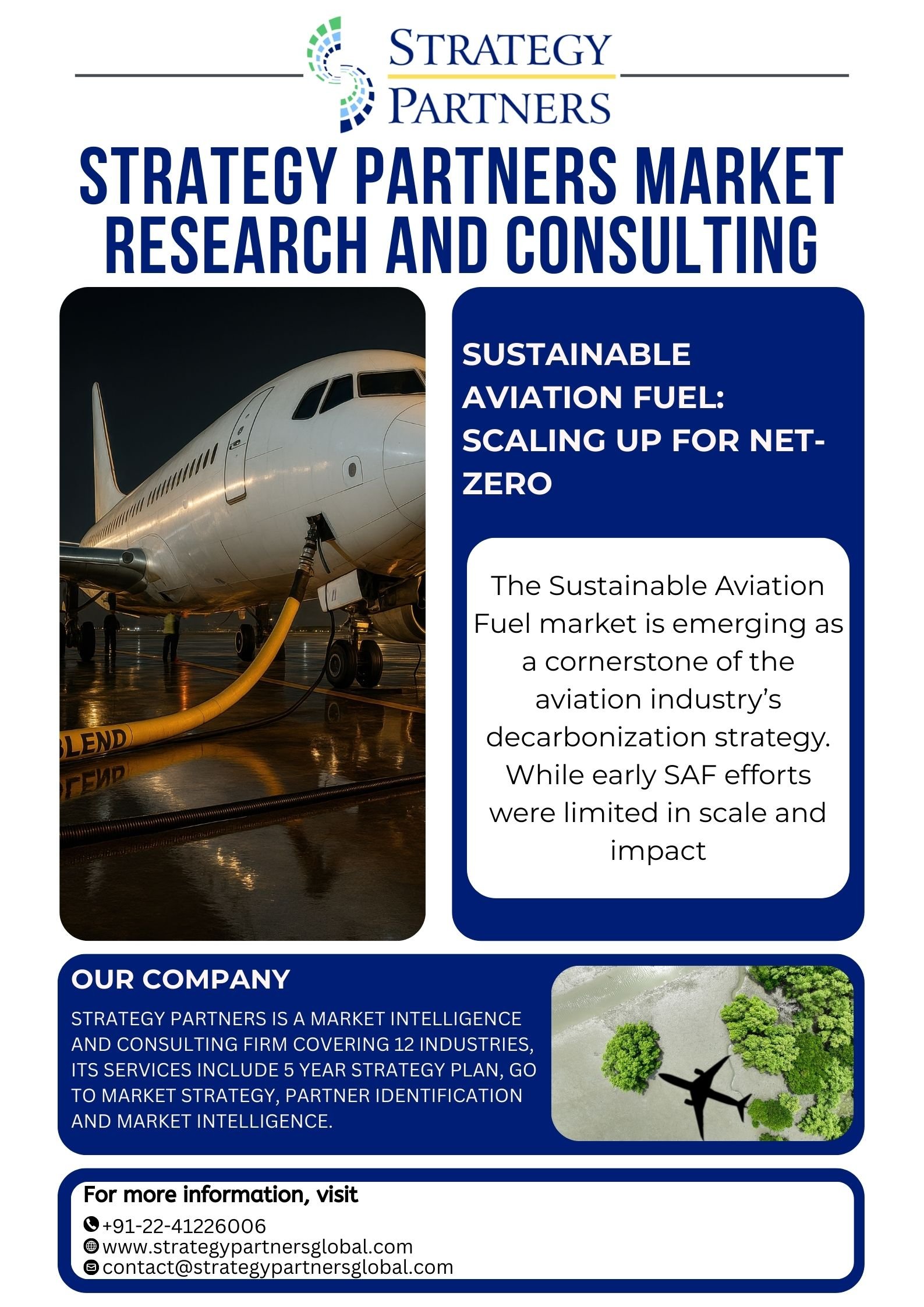
Sustainable Aviation Fuel (SAF): An Introduction
Aviation drives global trade and tourism. However, it also produces significant greenhouse gas emissions. Traditional jet fuel is hard to replace because aircraft need high energy density. Therefore, Sustainable Aviation Fuel (SAF) has become a top solution for cleaner skies.
Manufacturers make SAF from renewable waste like used cooking oil and municipal trash. Because it is a “drop-in” fuel, it works in current engines without any changes. Most importantly, it can cut carbon emissions by up to 80%.
The Past: Experiments and Early Trials
In the early 2000s, the SAF market was very small. Initially, researchers focused on energy security rather than climate change. These early fuels often came from food crops like corn and sugar. However, this sparked a debate about food supplies and land use.
During this time, production costs were extremely high. Airlines only flew small test flights to prove the technology worked. Consequently, SAF remained a niche product with almost no impact on global emissions.
The Present: Commercial Growth
Today, the SAF market is moving into a commercial phase. Now, airlines and governments are making firm net-zero commitments. New production methods, like Alcohol-to-Jet (ATJ), have earned official certification. As a result, many airlines are signing long-term deals to buy fuel.
Despite this progress, SAF still makes up a tiny fraction of global fuel use. High costs and limited raw materials still slow down growth. Nevertheless, the market is now more structured and driven by clear regulations.
The Future: Scaling Up
The SAF market will likely expand quickly in the coming years. In the future, experts expect massive investments in synthetic fuels. These fuels use green hydrogen and captured carbon dioxide to reach near-zero emissions.
Soon, global mandates will require airlines to use more SAF. Furthermore, new technology will make production more efficient. While electric planes may work for short trips, SAF will remain the only choice for long-haul flights.
Key Market Drivers
Several factors are pushing the SAF market forward. First, strict environmental laws force airlines to cut pollution. Second, carbon taxes make traditional fuel more expensive over time. Third, many passengers now demand greener travel options.
Additionally, government subsidies are helping to close the price gap. These incentives make it easier for companies to invest in new biorefineries.
Restraints and Industry Challenges
Even with its potential, SAF faces big hurdles. For instance, it often costs four times more than fossil fuels. Also, there is not enough waste oil to meet global demand. Furthermore, many airports still lack the pipes and tanks needed to blend these fuels.
Another challenge involves sustainability rules. Experts must ensure that making fuel does not hurt local food supplies or forests. Finally, connecting farmers, factories, and airports requires a very complex global supply chain.